

In the evolving world of aesthetic medicine, patients are increasingly looking for treatments that deliver natural results without artificial fillers or aggressive procedures. This shift has led to the rise of regenerative techniques that work with the body rather than against it. One such innovation gaining widespread attention is Nano Fat.
It is transforming the way doctors approach skin rejuvenation, anti-aging, and tissue repair. Unlike traditional cosmetic treatments that simply add volume, it focuses on improving skin quality from within. It harnesses the body’s own regenerative potential to restore vitality, texture, and youthfulness. This guide explores what Nano Fat is, how it works, its benefits, uses, recovery process, and why it is becoming a preferred choice for natural aesthetic enhancement.
Understanding What Nano Fat Really Is
It is an advanced form of fat grafting that uses a patient’s own fat, processed into an ultra-fine, liquid-like consistency. Unlike standard fat transfer, Nano Fat does not aim to restore volume. Instead, it is rich in regenerative cells, including stem cells and growth factors, which improve skin quality, elasticity, and tone.
The fat is typically harvested from areas such as the abdomen, thighs, or flanks. After extraction, it undergoes a specialized filtration and emulsification process that breaks the fat into microscopic particles. This refined substance, known as Nano Fat, can then be injected superficially into the skin.
Because this treatment uses the patient’s own tissue, it is biocompatible, natural, and carries a very low risk of allergic reaction or rejection.
Why Nano Fat Is Gaining Popularity in Aesthetic Medicine
The demand for Nanofat has increased rapidly due to its regenerative rather than cosmetic-only benefits. Modern patients want subtle, long-lasting improvements that enhance their natural appearance rather than change it dramatically.
Nanofat improves skin health at a cellular level. Instead of filling lines temporarily, it stimulates collagen production, improves blood supply, and repairs damaged tissues. This makes it especially attractive for individuals who want long-term skin rejuvenation without synthetic fillers.
Another reason Nanofat is gaining popularity is its versatility. It can be used on the face, neck, hands, under-eye area, and even on scars or damaged skin. Its ability to improve skin quality makes it a valuable tool in both cosmetic and reconstructive treatments.
How Nano Fat Works Inside the Skin
The power of Nanofat lies in its regenerative components. Once injected, the growth factors and stem cells stimulate tissue repair and regeneration. These cells encourage collagen production, enhance skin elasticity, and improve hydration.
Rather than creating instant volume, Nano Fat works gradually. Over weeks and months, the skin becomes firmer, smoother, and more radiant. This gradual improvement is one of the reasons results look so natural.
Nano Fat also improves microcirculation in the treated area, leading to healthier skin tone and reduced pigmentation issues. It essentially “reprograms” the skin to behave more like youthful skin.
Common Areas Treated with Nano Fat
Nano Fat is highly versatile and can be used in multiple areas where skin quality is a concern rather than volume loss.
The under-eye area is one of the most popular treatment zones. Nano Fat helps reduce dark circles, fine lines, and crepey skin without the puffiness often associated with fillers.
On the face, Nano Fat improves overall texture, reduces fine wrinkles, and enhances glow. It is often used on the cheeks, nasolabial folds, and around the mouth.
The neck and décolletage also respond well to Nano Fat, showing improved firmness and smoother skin. Hands, which often reveal signs of aging early, benefit from improved skin quality and reduced crepiness.
Nano Fat is also used to improve scars, acne marks, and areas of skin damage, making it valuable in both cosmetic and reconstructive medicine.
Nano Fat vs Traditional Fat Grafting
Although both procedures use the patient’s own fat, Nano Fat and traditional fat grafting serve different purposes.
Traditional fat grafting focuses on restoring volume and contour. It is used to fill hollow areas, enhance facial features, or restore lost fat due to aging.
Nano Fat, on the other hand, is not designed to add volume. Its primary role is skin regeneration. The fat is processed so finely that it cannot provide structural support but is rich in regenerative cells.
In many cases, surgeons combine both techniques. Structural fat is used for volume, while Nano Fat is applied superficially to improve skin quality. This combination delivers comprehensive and natural-looking results.
The Nano Fat Procedure Explained
The Nano Fat procedure is typically performed under local anesthesia. The first step involves gently harvesting fat from a donor area using a minimally invasive technique. This process is safe and causes minimal discomfort.
Once the fat is collected, it undergoes a specialized processing method to create Nano Fat. This step is crucial, as it ensures the fat is refined enough for superficial injection while preserving its regenerative properties.
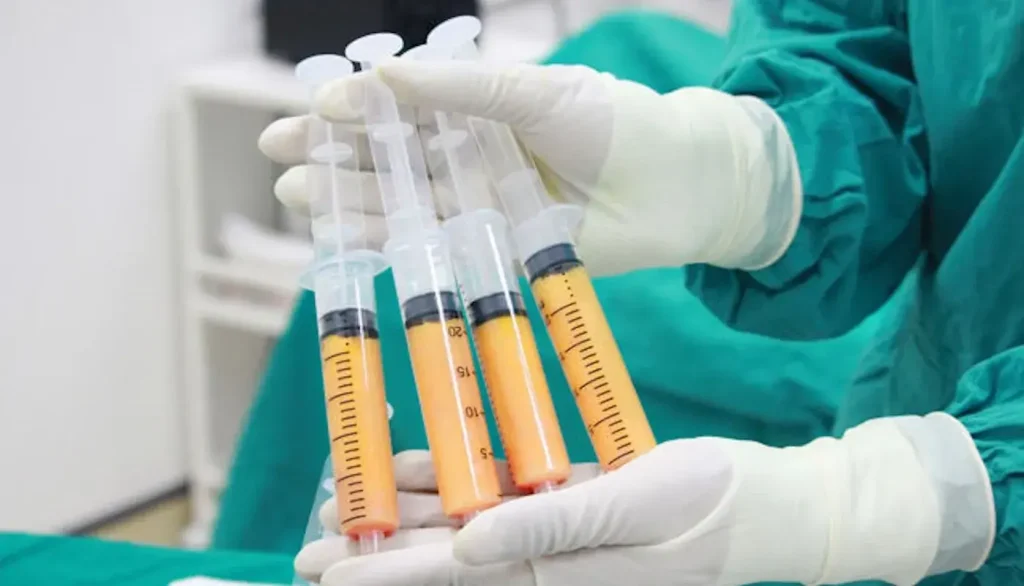
The Nano Fat is then carefully injected into the targeted areas using fine needles or cannulas. The procedure usually takes one to two hours, depending on the number of areas treated.
Because Nano Fat is minimally invasive, patients can usually return home the same day.
Recovery and Healing After Nano Fat Treatment
Recovery after this treatment is generally smooth and well-tolerated. Mild swelling, redness, or bruising may occur at both the donor and injection sites, but these effects typically subside within a few days.
Most patients can return to work and normal activities within a short period. There is no significant downtime compared to more invasive cosmetic procedures.
Results develop gradually, as it works by stimulating regeneration rather than providing instant change. Improvements in skin texture, tone, and elasticity become noticeable over several weeks, with continued enhancement over months.
Safety and Natural Advantages of Nano Fat
One of the strongest advantages of Nano Fat is its safety profile. Since the treatment uses the patient’s own fat, the risk of allergic reactions or complications is minimal.
Nanofat grafting does not migrate, harden, or dissolve unpredictably like some synthetic fillers. Instead, it integrates naturally into the tissue and promotes healing from within.
When performed by an experienced medical professional, this treatment is considered a safe and effective treatment with long-lasting benefits.
Who Is an Ideal Candidate for Nano Fat?
Nano Fat is suitable for individuals who want to improve skin quality rather than dramatically change facial structure. It is ideal for patients experiencing early signs of aging, dull skin, fine lines, or under-eye concerns.
It is also an excellent option for those who prefer natural treatments and want to avoid synthetic injectables. Patients with realistic expectations who understand that results develop gradually are often the most satisfied.
A detailed consultation helps determine whether it is the right treatment based on skin condition, goals, and overall health.
Combination With Other Treatments
Dr. Mohan Rangaswamy often combines Nano Fat with other aesthetic procedures for enhanced results. It works exceptionally well alongside facelift surgery, eyelid surgery, laser treatments, and microneedling.
When combined with surgical procedures, Nano Fat improves skin healing and enhances overall outcomes. In non-surgical treatments, it boosts skin regeneration and prolongs results.
This flexibility makes Nano Fat a valuable addition to modern aesthetic treatment plans.
Long-Term Results and Expectations
Unlike temporary cosmetic solutions, this treatment delivers long-term skin improvement. While not all injected cells survive permanently, the regenerative effects on skin quality can last for years.
Patients often notice ongoing improvement in skin texture, firmness, and radiance long after the procedure. Maintenance treatments may be recommended depending on age, skin condition, and lifestyle factors.
The key benefit of this treatment lies in its ability to enhance the skin’s natural behavior rather than masking imperfections.
Why Expertise and Safety Make the Real Difference in Surgical Outcomes
While modern techniques and advanced technologies continue to evolve, the success of any aesthetic or reconstructive procedure ultimately depends on the surgeon’s experience, judgment, and commitment to patient safety. Each treatment requires careful evaluation, precise planning, and a thorough understanding of anatomy to achieve natural and predictable results. Dr. Mohan Rangaswamy is considered the best choice for Nano Fat procedure because he is performing this for over 20 years, when this procedure was described in literature. He follows a patient-first approach that prioritizes safety from consultation and case selection through surgery and post-procedure care. By adhering to evidence-based practices, meticulous surgical techniques, and strict safety protocols, he aims to minimize complications while maximizing both functional and aesthetic outcomes, ensuring responsible, personalized care with long-term results.
Final Thoughts
This treatment represents a significant advancement in aesthetic and regenerative medicine. By using the body’s own resources, it offers a natural, safe, and effective solution for skin rejuvenation.
For individuals seeking subtle yet meaningful improvement in skin quality, Nano Fat provides a powerful alternative to traditional cosmetic treatments. Its ability to restore vitality, improve texture, and promote long-term skin health makes it one of the most promising techniques in modern aesthetics.
With expert application and personalized care, it delivers results that look natural, feel authentic, and age gracefully with the patient.