
Pregnancy brings remarkable changes to the body. While many of these changes are temporary, some continue long after childbirth. One of the most common concerns women notice after pregnancy is the appearance of stretch marks.
For some, they appear across the abdomen during the later stages of pregnancy. Others may notice them around the breasts, hips, thighs, or lower back. Although stretch marks are extremely common, many women still feel frustrated by the changes they leave behind.
Understanding stretch marks after pregnancy is important because there is often confusion about why they occur and whether they can truly be treated. Some products claim to completely erase them, while others suggest they are unavoidable regardless of skin care or lifestyle. The reality lies somewhere in between.
With decades of experience in body contouring and post-pregnancy procedures, Dr. Mohan Rangaswamy approaches these concerns with a realistic and medically informed perspective. Rather than promoting unrealistic promises, the focus remains on understanding skin changes, improving skin quality where possible, and choosing treatments based on individual needs and tissue condition.
What Are Stretch Marks?
Stretch marks, medically known as striae, are a form of scarring that develops when the skin stretches faster than its supporting structures can adapt.
The deeper layer of the skin, called the dermis, contains collagen and elastin fibers that provide strength and flexibility. During pregnancy, rapid abdominal expansion places increasing tension on these fibers. When the skin’s support system cannot stretch sufficiently, tiny tears develop beneath the surface.
Initially, stretch marks often appear:
- Red
- Pink
- Purple
- Brown (depending on skin tone)
Over time, they usually become lighter and flatter, eventually turning pale or silvery.
Why Pregnancy Commonly Causes Stretch Marks
Pregnancy places the skin under unique physical and hormonal changes that make stretch marks more likely to occur.
Rapid Skin Expansion
As the baby grows, the abdomen expands over a relatively short period of time. The skin may struggle to adapt to this rapid stretching, particularly during the third trimester.
Hormonal Changes
Pregnancy hormones influence collagen production and skin elasticity. These hormonal shifts may weaken the skin’s supporting structure, making it more vulnerable to tearing during stretching.
Genetic Factors
Some women are naturally more prone to developing stretch marks due to inherited skin characteristics.
Genetics can influence:
- Skin elasticity
- Collagen strength
- Healing response
This explains why some women develop extensive stretch marks despite careful skin care, while others experience minimal changes.
Weight and Body Changes During Pregnancy
Natural weight gain during pregnancy also contributes to tension on the skin. Areas commonly affected include:
- Abdomen
- Breasts
- Hips
- Thighs
- Buttocks
The extent of stretching varies significantly from person to person.
Common Areas Where Stretch Marks Appear
Abdomen
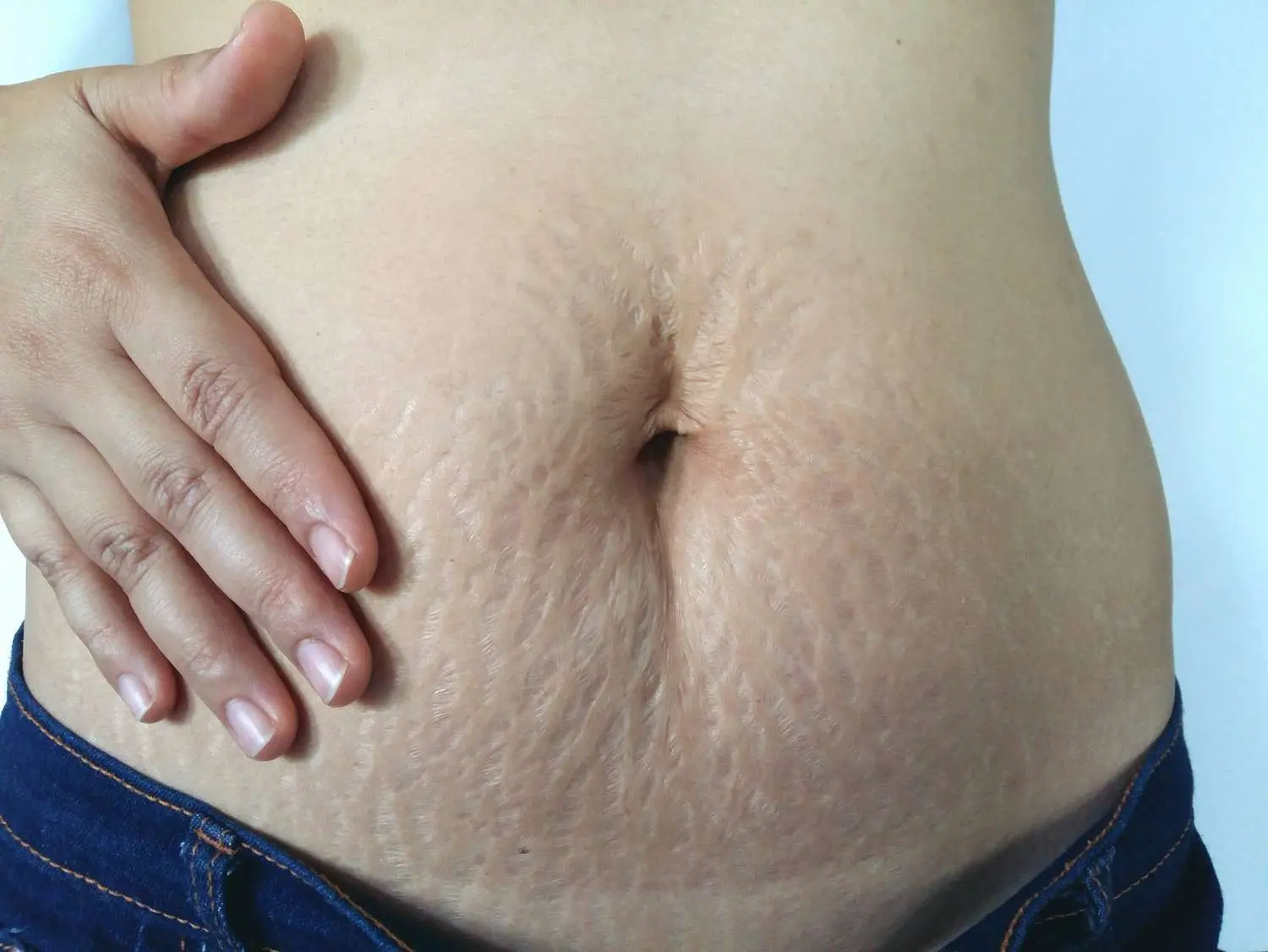
The abdomen is the most frequently affected area because it undergoes the greatest expansion during pregnancy.
Stretch marks often develop around:
- The lower abdomen
- The sides of the stomach
- Around the navel
Breasts
Breast enlargement during pregnancy and breastfeeding can stretch the skin rapidly, leading to visible lines along the sides or lower breast area.
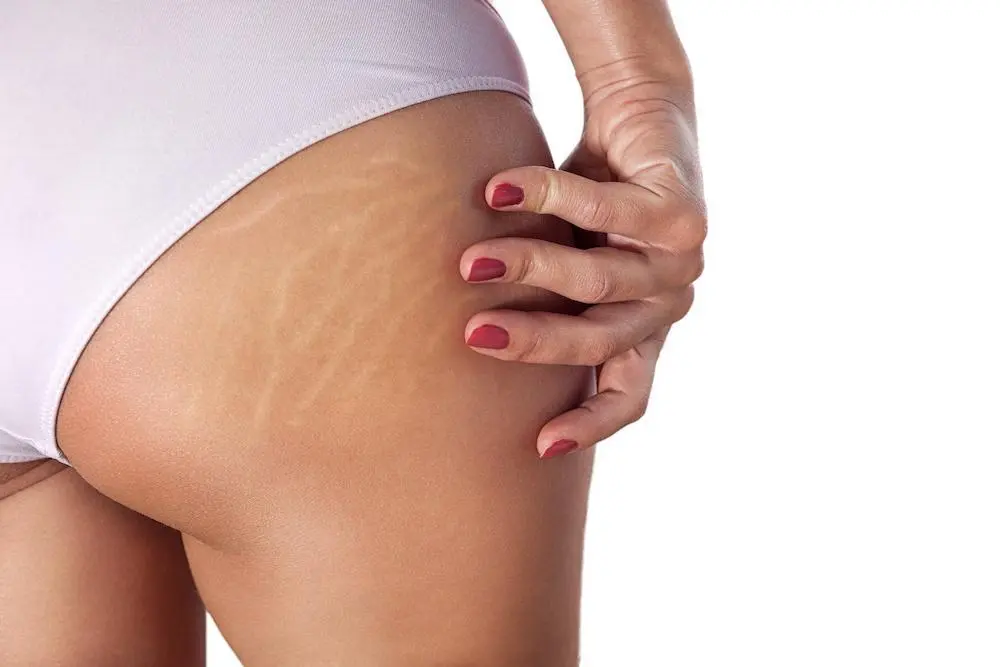
Hips and Thighs
Hormonal and weight changes may increase fat storage in these areas, contributing to skin stretching.
Are Stretch Marks Permanent?
This is one of the most common questions patients ask.
Stretch marks are technically a form of scarring, meaning they do not disappear completely on their own. However, they often improve significantly with time.
Over months or years, they may become:
- Less noticeable
- Lighter in color
- Softer in texture
The degree of improvement depends on:
- Skin type
- Severity of stretching
- Genetics
- Age of the stretch marks
Fresh stretch marks usually respond better to treatment than older ones.
Can Stretch Marks Be Prevented During Pregnancy?
There is no guaranteed way to completely prevent stretch marks after pregnancy, but certain measures may help support skin health.
Maintaining Healthy Weight Gain
Gradual and medically appropriate weight gain may reduce excessive stress on the skin.
Skin Hydration
Keeping the skin moisturized may improve comfort and skin flexibility, although moisturizers alone cannot fully prevent stretch marks.
Nutrition and Hydration
A balanced diet supports collagen production and overall skin health. Adequate hydration may also help maintain skin quality during pregnancy.
Avoiding Unrealistic Claims
Many products advertise “complete prevention” or “permanent removal,” but no cream or oil can entirely stop stretch marks from developing if the underlying skin structure is genetically prone to tearing.
Non-Surgical Treatment Options for Stretch Marks After Pregnancy
Several non-surgical approaches may help improve the appearance and texture of stretch marks.
The goal is usually improvement rather than complete removal.
Topical Treatments For Stretch Marks After Pregnancy
Certain topical products may help improve early stretch marks by supporting skin renewal.
These may include:
- Retinoid-based products (when appropriate after pregnancy)
- Moisturizers containing hyaluronic acid
- Collagen-supporting ingredients
However, results are typically modest.
Microneedling
Microneedling creates controlled micro-injuries in the skin to stimulate collagen production.
This may help:
- Improve texture
- Soften the appearance of stretch marks
- Encourage skin remodeling
Several sessions are usually required for gradual improvement.
Laser Treatments For Stretch Marks After Pregnancy
Laser therapy may help reduce redness and improve skin texture in certain types of stretch marks.
Different laser technologies target:
- Pigmentation
- Blood vessels
- Collagen stimulation
Treatment selection depends on skin type and stretch mark maturity.
Radiofrequency-Based Skin Tightening
Some modern technologies combine heat energy with collagen stimulation to improve skin firmness and texture.
These treatments may provide mild improvement in skin quality around affected areas.
When Surgery May Be Considered
In some cases, stretch marks occur alongside significant loose skin and muscle separation after pregnancy.
When excess tissue becomes severe, non-surgical treatments alone may not provide meaningful improvement.
Abdominoplasty (Tummy Tuck)
A tummy tuck may help remove skin containing stretch marks, particularly those located on the lower abdomen.
This procedure also allows correction of:
- Loose abdominal skin
- Muscle separation (diastasis recti)
- Changes in abdominal contour after pregnancy
However, it is important to understand that surgery does not eliminate every stretch mark. Results depend on the location and extent of the affected skin.
The Emotional Impact of Stretch Marks After Pregnancy
Stretch marks are medically harmless, but their emotional impact should not be underestimated.
For many women, the body changes following pregnancy can affect:
- Confidence
- Clothing choices
- Body image
- Comfort during intimacy
At the same time, it is important to approach these concerns realistically and compassionately. Pregnancy naturally changes the body, and treatment decisions should be based on personal comfort rather than unrealistic beauty standards.
Why Individual Assessment Matters For Stretch Marks After Pregnancy Treatment
Not all stretch marks are the same.
Treatment planning depends on several factors, including:
- Skin quality
- Age of the stretch marks
- Amount of loose skin
- Presence of muscle separation
- Overall body changes after pregnancy
Some patients may benefit from skin-focused treatments alone, while others may require more comprehensive body contouring approaches.
Dr. Mohan Rangaswamy evaluates these concerns within the broader context of post-pregnancy body changes rather than treating stretch marks in isolation. This allows for more balanced and individualized recommendations based on anatomy, skin condition, and long-term outcomes.
The Importance of Realistic Expectations
One of the most important aspects of treating stretch marks after pregnancy is understanding what treatments can realistically achieve.
No treatment can completely restore the skin to its exact pre-pregnancy condition. However, many procedures can:
- Improve texture
- Reduce visibility
- Tighten surrounding skin
- Enhance overall skin quality
The most successful outcomes often come from gradual improvement rather than aggressive attempts at complete removal.
Dr. Mohan’s Approach to Address Stretch Marks After Pregnancy
With more than 40 years of experience in plastic and reconstructive surgery, Dr. Mohan Rangaswamy approaches post-pregnancy concerns with an emphasis on safety, anatomical understanding, and natural-looking outcomes.
His approach recognizes that stretch marks are often part of broader tissue changes involving skin laxity, muscle separation, and contour imbalance after pregnancy. Rather than applying standardized treatments, each patient is evaluated individually to determine which options may provide meaningful and realistic improvement.
The focus remains on restoring comfort, confidence, and body balance while maintaining realistic expectations about skin healing and long-term results.
Stretch Marks After Pregnancy: Final Words
Stretch marks after pregnancy are one of the most common changes women experience following childbirth. While they are medically harmless, they can affect confidence and body image for many individuals.
Understanding why stretch marks develop helps patients make informed decisions about prevention, skin care, and treatment options. Although stretch marks cannot always be completely removed, modern approaches may significantly improve their appearance and overall skin quality.
Whether concerns are mild or associated with more significant post-pregnancy body changes, individualized assessment plays an important role in selecting the most appropriate treatment approach. With extensive experience in post-pregnancy body contouring and reconstructive procedures, Dr. Mohan Rangaswamy focuses on thoughtful planning, realistic outcomes, and patient-centered care tailored to each individual’s needs.