

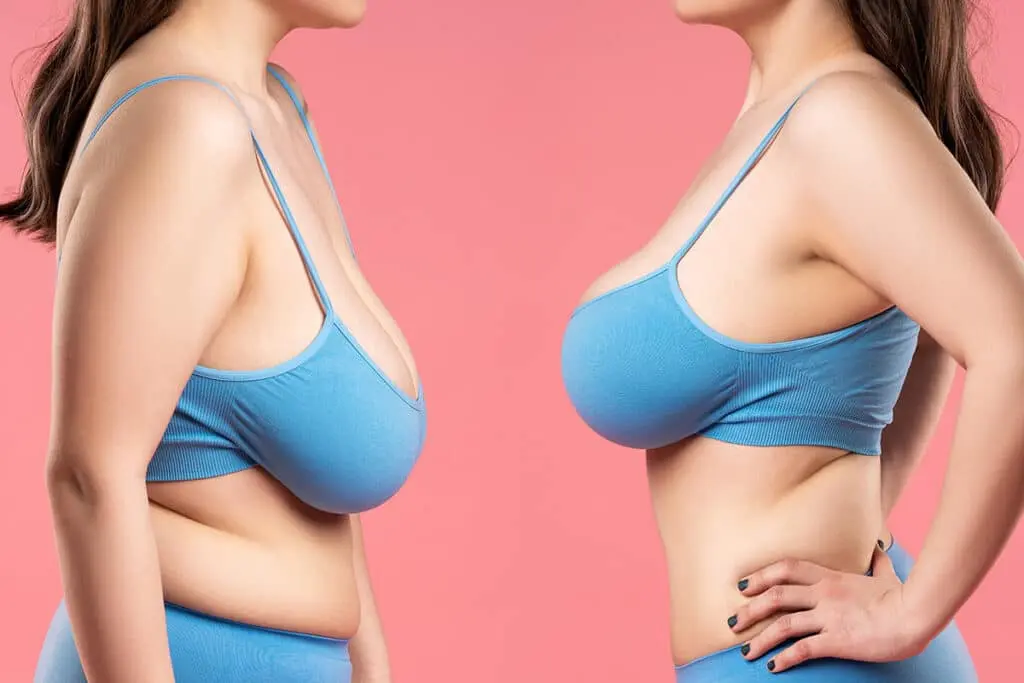
Breast shape is influenced by a combination of skin quality, glandular tissue, fat distribution, and the supporting ligaments that hold everything in place. Over time, these structures naturally change, leading many individuals to notice a gradual shift in breast position and firmness.
This condition, commonly referred to as breast sagging, is medically known as breast ptosis. It is a completely natural process that affects most women at some point in life, although the degree and timing vary widely from person to person.
While breast sagging is often associated with aging, it can also be influenced by several other factors such as pregnancy, breastfeeding, genetics, weight fluctuations, and skin quality. Understanding these underlying causes helps in developing realistic expectations about how the body changes over time.
With extensive experience in breast and reconstructive surgery, Dr. Mohan Rangaswamy approaches this topic through an anatomical and structural lens, focusing on how different layers of tissue contribute to breast shape rather than viewing it as an isolated cosmetic concern.
What Is Breast Sagging (Breast Ptosis)?
Breast sagging refers to the downward displacement of breast tissue and nipple position relative to the chest wall. In simple terms, the breasts gradually lose their youthful projection and begin to point more downward than forward.
This occurs due to a combination of:
- Loss of skin elasticity
- Weakening of internal support structures
- Changes in breast volume
- Effects of gravity over time
Breast ptosis can vary in severity from mild drooping to more pronounced descent of the breast tissue.
How Breast Structure Changes Over Time
To understand breast sagging, it is important to first understand how the breast is supported. The breast is made up of:
- Glandular tissue (milk-producing structures)
- Fat tissue (which determines volume and softness)
- Skin envelope (outer covering)
- Cooper’s ligaments (internal support structures)
These components work together to maintain shape and position. Over time, each of these structures undergoes changes that contribute to breast sagging.
Loss of Skin Elasticity
One of the most important contributors to breast sagging is the gradual loss of skin elasticity. The skin relies on collagen and elastin fibers to remain firm and resilient. With age, these fibers naturally decline, leading to:
- Reduced skin tightness
- Stretching of the breast envelope
- Decreased ability to support breast tissue
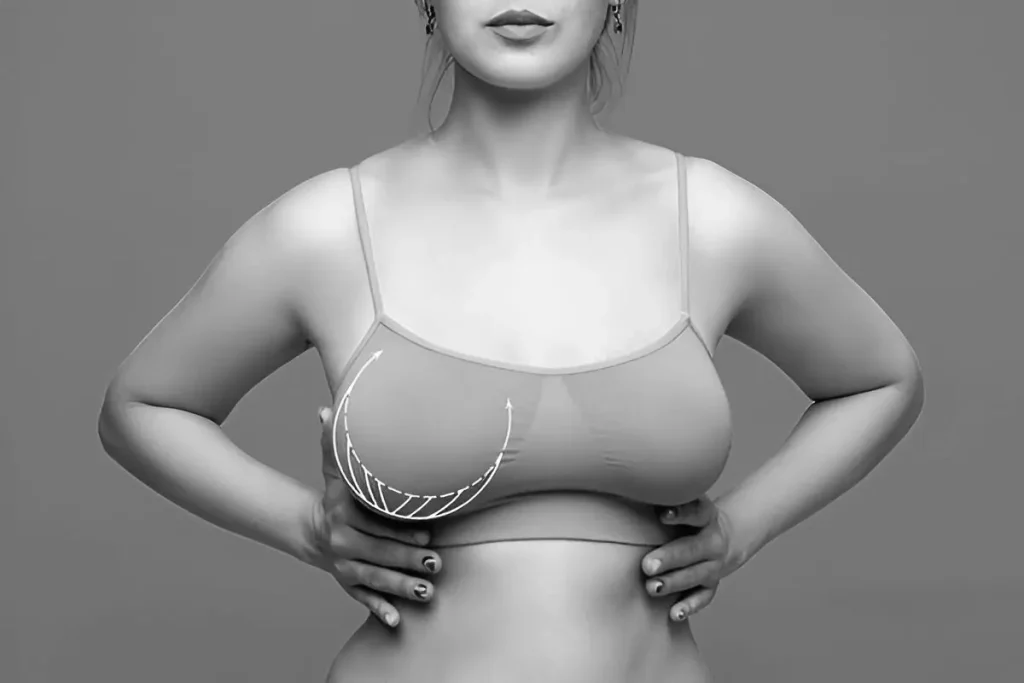
Because the skin acts as the outer “container” of the breast, any loss of elasticity directly affects shape and position.
Gravity and Long-Term Tissue Stretching
Gravity continuously acts on the breast throughout life. While this is a normal physical force, its long-term effects become more visible as supporting tissues weaken. Over time, gravity contributes to:
- Gradual downward movement of breast tissue
- Stretching of supporting ligaments
- Loss of upper pole fullness
These changes occur slowly but become more noticeable with age.
Changes in Breast Volume
Breast size and volume are not static throughout life. Hormonal fluctuations, pregnancy, and aging all influence how much glandular and fatty tissue is present. When volume decreases:
- The skin may appear loose
- The breast may lose roundness
- The nipple may shift downward
When volume increases and then decreases (as in pregnancy and breastfeeding), the stretching effect on skin becomes more pronounced, contributing further to breast sagging.
Pregnancy and Breastfeeding Effects
Pregnancy is one of the most significant life events affecting breast structure. During pregnancy:
- Breasts enlarge due to hormonal changes
- Skin stretches to accommodate increased volume
- Ligaments are placed under tension
After breastfeeding:
- Breast tissue may shrink
- Skin may not fully retract
- Volume loss can create a deflated appearance
This cycle of expansion and reduction is a key factor in post-pregnancy breast sagging.
Genetics and Natural Breast Shape
Genetics play a major role in determining:
- Skin thickness
- Breast density
- Ligament strength
- Natural breast positioning
Some individuals are more prone to breast sagging at an earlier age simply due to inherited tissue characteristics. Others may maintain firmer breast support for longer periods.
Weight Fluctuations and Their Impact
Frequent or significant weight changes can affect breast shape because breasts contain a high proportion of fatty tissue. When weight is gained:
- Breast volume increases
- Skin stretches to accommodate expansion
When weight is lost:
- Volume decreases
- Skin may remain stretched
- Sagging becomes more noticeable
Repeated cycles of weight gain and loss can accelerate breast ptosis over time.
Lifestyle Factors That Influence Breast Sagging
Certain external factors may contribute to earlier or more pronounced breast sagging.
Smoking
Smoking reduces blood flow to the skin and damages collagen fibers, weakening structural support.
Sun Exposure
Chronic UV exposure breaks down collagen and elastin, accelerating skin aging and reducing elasticity.
Poor Posture
While not a direct cause, poor posture can influence how breast tissue is distributed and may make sagging appear more pronounced.
Degrees of Breast Sagging
Breast ptosis is often classified based on nipple position relative to the breast fold. While clinical grading varies, the general concept includes:
- Mild sagging: nipple remains near the breast level
- Moderate sagging: nipple falls below the fold
- Severe sagging: nipple points significantly downward
Understanding severity helps determine whether changes are mild, moderate, or more advanced.
Emotional and Psychological Aspects
Changes in breast shape can influence body image and self-confidence. Many individuals describe feeling:
- Less comfortable in fitted clothing
- Less confident in swimwear
- A disconnect between physical appearance and self-perception
These feelings are valid and common, especially after life events such as pregnancy or significant weight changes.
However, it is also important to recognize that breast sagging is a natural biological process, not a flaw or abnormal condition.
Why Breast Sagging Varies Between Individuals
Not all individuals experience breast sagging in the same way or at the same rate. The variation depends on:
- Genetic factors
- Skin quality
- Breast size and weight
- Hormonal history
- Lifestyle habits
- Number of pregnancies
This variability explains why two individuals of the same age may have very different breast appearances.
The Importance of Anatomical Evaluation
When assessing breast sagging, it is essential to evaluate all contributing factors rather than focusing on appearance alone. A proper evaluation considers:
- Skin elasticity
- Breast volume distribution
- Nipple position
- Chest wall anatomy
- Symmetry between breasts
Dr. Mohan Rangaswamy approaches breast sagging through this comprehensive anatomical framework, focusing on how all layers of tissue interact to create overall breast shape. This ensures that any recommendations are based on structure and proportion rather than isolated cosmetic observations.
Can Breast Sagging Be Prevented?
While it cannot be completely prevented, certain measures may help slow its progression:
- Maintaining stable weight
- Supporting overall skin health
- Avoiding smoking
- Wearing supportive garments when needed
- Maintaining good posture
However, even with optimal habits, some degree of breast sagging is a natural part of aging.
Conclusion
Breast sagging is a common and natural process influenced by aging, pregnancy, genetics, weight changes, and lifestyle factors. It reflects gradual changes in the skin, ligaments, and internal breast tissue rather than a single cause.
Understanding these changes helps set realistic expectations and promotes a more informed view of breast aging. While the degree of sagging varies widely between individuals, it is ultimately part of the body’s natural lifecycle.
With extensive experience in breast and reconstructive procedures, Dr. Mohan Rangaswamy evaluates breast changes through a detailed anatomical lens, focusing on proportion, tissue behavior, and long-term structural balance. This approach ensures that any clinical assessment remains grounded in medical understanding and individualized care.