

Understanding Breast Asymmetry: Why Breasts Naturally Differ in Shape and Size
Dr. Mohan Rangaswamy
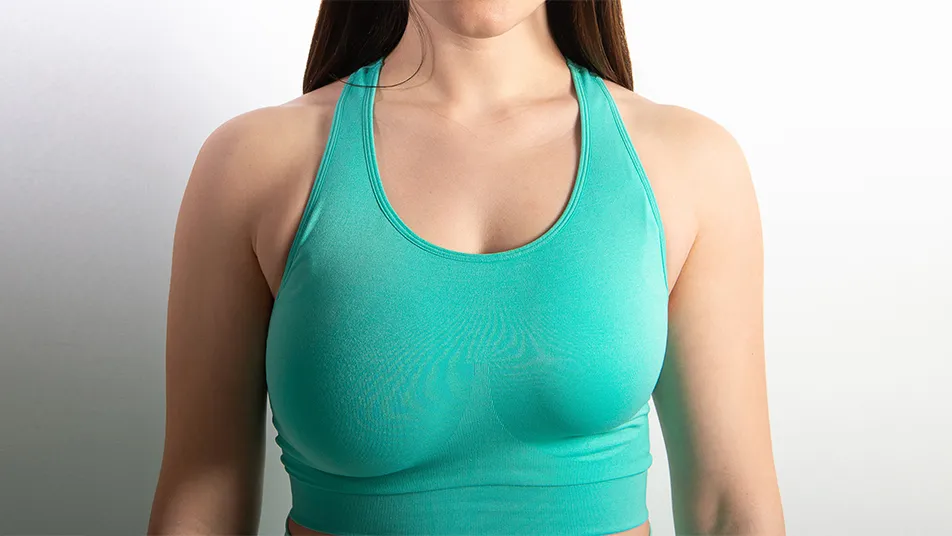
Perfect symmetry is extremely rare in the human body. Just as one hand or one side of the the face may differ slightly from the other, the breasts also naturally vary in size, shape, position, and contour. In many cases, these differences are subtle and barely noticeable. For others, however, the variation may become more visible over time and affect clothing fit, posture, or body confidence.
This condition is commonly referred to as breast asymmetry. It can occur during puberty, after pregnancy, following weight fluctuations, or as part of the natural aging process. Some individuals are born with noticeable differences between the breasts, while others develop asymmetry gradually later in life.
Understanding why breast asymmetry occurs is important before considering any form of correction or treatment. The breasts are influenced by multiple anatomical factors including glandular tissue, fat distribution, skin elasticity, chest wall structure, and hormonal changes. Because of this complexity, asymmetry is rarely caused by a single issue alone.
With decades of experience in breast and reconstructive procedures, Dr. Mohan Rangaswamy approaches breast asymmetry through detailed anatomical evaluation and individualized planning, focusing on proportion, structure, and natural balance rather than artificial uniformity.
What Is Breast Asymmetry?
Breast asymmetry refers to a noticeable difference between the two breasts in terms of:
- Size
- Shape
- Volume
- Position
- Projection
- Nipple placement
Mild asymmetry is considered completely normal and is present in the majority of women. In fact, minor differences are often only noticed by the individual herself. More significant asymmetry may involve:
- One breast being substantially larger than the other
- Differences in breast height or projection
- Uneven nipple position
- Variations in breast shape or fullness
The degree of asymmetry varies widely from person to person.
Why Breast Symmetry Is Naturally Rare
Human anatomy is not designed to be perfectly identical on both sides. Small differences exist throughout the body because growth patterns are influenced by genetics, hormones, muscle development, and skeletal structure. The breasts are particularly sensitive to these variables because they contain:
- Fat tissue
- Glandular tissue
- Connective tissue
- Skin support structures
Even small differences in tissue growth can create visible asymmetry over time.
Common Causes of Breast Asymmetry
There are several reasons why breast asymmetry develops.
Hormonal Changes During Puberty
Breast development begins during puberty under the influence of hormones such as estrogen and progesterone. In some individuals:
- One breast develops earlier than the other
- Growth progresses unevenly
- Tissue volume differs naturally
This is one of the most common causes of breast asymmetry in younger individuals. In many cases, the difference becomes less noticeable with maturity. However, asymmetry may persist into adulthood.
Genetics and Natural Anatomy
Genetics play a major role in determining breast size, tissue density, and chest wall structure. Some individuals naturally inherit:
- Uneven breast volume
- Different breast shapes
- Variations in nipple position
- Asymmetrical rib cage structure
These anatomical differences are often present from adolescence and remain stable throughout life.
Pregnancy and Breastfeeding
Pregnancy causes major hormonal and structural changes within the breast. During this time:
- Milk-producing glands enlarge
- Breast volume increases
- Skin stretches to accommodate growth
After breastfeeding, breast tissue may shrink unevenly, leading to asymmetry. Some women notice:
- One breast losing more volume than the other
- Uneven skin tightening
- Differences in breast position or fullness
These changes are extremely common after pregnancy.
Weight Fluctuations
Breasts contain a significant amount of fatty tissue, meaning they respond to changes in body weight. When weight changes occur:
- Fat distribution may not reduce evenly
- One breast may retain more volume
- Skin elasticity may differ between sides
This can make breast asymmetry more noticeable over time.
Aging and Tissue Changes
As the body ages, the skin and supportive ligaments gradually weaken. Over time:
- Breast tissue descends
- Skin elasticity decreases
- Volume distribution changes
Because each breast may age differently, asymmetry can become more visible later in life.
Chest Wall and Muscle Differences
Sometimes the asymmetry does not originate entirely from the breast tissue itself. Underlying chest wall differences may contribute, including:
- Uneven rib cage projection
- Muscle development differences
- Mild skeletal asymmetry
In these situations, the breasts may appear asymmetrical because of the structure beneath them.
Types of Breast Asymmetry
Breast asymmetry can present in several different forms.
Volume Asymmetry
This occurs when one breast contains noticeably more tissue or fat than the other. The difference may range from mild to significant.
Shape Asymmetry
Sometimes the breasts are similar in size but differ in contour or projection. For example:
- One breast may appear rounder
- One side may project more forward
- One breast may sit wider on the chest wall
Nipple and Areola Asymmetry
Differences may also occur in:
- Nipple height
- Areola size
- Direction of nipple projection
These variations are often subtle but may contribute to overall imbalance.
Positional Asymmetry
In some individuals, one breast naturally sits higher or lower than the other due to ligament support or chest anatomy.
Emotional and Psychological Impact
Although breast asymmetry is medically common, it can still affect self-confidence and body image. Some individuals report concerns such as:
- Difficulty finding properly fitting bras or clothing
- Self-consciousness in swimwear
- Uneven appearance in fitted garments
- Reduced confidence in intimate settings
The emotional impact varies greatly depending on the severity of the asymmetry and the individual’s personal perception.
When Should Breast Asymmetry Be Evaluated?
Mild asymmetry is usually normal and does not require treatment. However, evaluation may be recommended when:
- One breast changes suddenly in size or shape
- The asymmetry becomes progressively more noticeable
- There is associated pain or discomfort
- A structural concern is suspected
- The difference significantly affects quality of life or confidence
A proper assessment helps determine whether the asymmetry is developmental, hormonal, structural, or age-related.
The Importance of Anatomical Assessment
Breast asymmetry should never be assessed by size alone. A detailed evaluation includes:
- Breast volume
- Skin quality
- Nipple position
- Chest wall anatomy
- Tissue distribution
- Symmetry of surrounding structures
This comprehensive approach allows the underlying causes to be properly understood rather than simply observing surface appearance.
Dr. Mohan Rangaswamy approaches breast asymmetry through detailed structural analysis, ensuring that treatment planning remains individualized and anatomically balanced.
Approaches to Managing Breast Asymmetry
The appropriate approach depends on:
- Severity of the asymmetry
- Tissue characteristics
- Skin elasticity
- Overall body proportions
- Individual goals and expectations
In some cases, no intervention is necessary. In others, treatment may be considered to improve balance and proportion.
Non-Surgical Considerations
For mild asymmetry, non-surgical measures such as supportive garments or customized bra fitting may help improve visual balance. These approaches may be suitable when:
- The difference is minor
- Structural changes are minimal
- The individual prefers conservative management
Surgical Considerations
In more significant cases, surgical planning may involve:
- Volume adjustment
- Reshaping techniques
- Tissue repositioning
- Symmetry correction of the nipple-areola complex
The goal is not to create artificial perfection, but to achieve improved balance while respecting natural anatomy.
Why Perfect Symmetry Is Not the Goal
One of the most important concepts in breast aesthetics is understanding that perfect symmetry rarely exists naturally. Attempting to achieve absolute identical appearance on both sides may actually create an unnatural result. Instead, modern breast assessment focuses on:
- Visual balance
- Proportion
- Natural contour
- Harmonious shape
Dr. Mohan emphasizes realistic expectations and anatomical harmony rather than exaggerated correction.
Breast Asymmetry and Body Proportion
Breast appearance cannot be evaluated in isolation from the rest of the body. Factors such as:
- Shoulder width
- Chest wall shape
- Waist proportion
- Posture
- Rib cage structure
all influence how breast asymmetry appears visually. A proportional approach therefore becomes essential when evaluating overall balance.
The Role of Skin Quality in Asymmetry
Skin elasticity plays an important role in maintaining breast support and shape. When skin quality differs between sides:
- One breast may descend more rapidly
- Tissue support may weaken unevenly
- Shape changes may become more pronounced
This is especially noticeable after pregnancy, aging, or major weight fluctuations.
Long-Term Stability and Natural Results
Any discussion regarding breast asymmetry should prioritize long-term tissue behavior rather than temporary visual correction. Important considerations include:
- Skin elasticity
- Tissue stability
- Future aging changes
- Weight stability
- Pregnancy history
An individualized and conservative approach often produces the most natural and lasting outcomes.
Dr. Mohan’s Approach to Breast Symmetry and Balance
With over 30 years of surgical experience, Dr. Mohan Rangaswamy approaches breast asymmetry through detailed anatomical evaluation and careful structural planning. Rather than focusing only on breast size, the assessment includes:
- Overall body proportion
- Tissue quality and support
- Nipple positioning
- Chest wall anatomy
- Long-term tissue behavior
This comprehensive approach helps ensure that recommendations remain personalized, medically sound, and focused on natural balance rather than artificial perfection.
The emphasis is always on achieving harmony while preserving the individual’s natural anatomy and body proportions.
Conclusion
Breast asymmetry is an extremely common condition influenced by genetics, hormonal changes, aging, pregnancy, and differences in tissue structure. In most cases, some degree of asymmetry is completely natural and expected.
Understanding the underlying causes helps individuals develop realistic expectations about breast shape and proportion. Because breast anatomy is highly individualized, proper assessment requires attention to structure, skin quality, volume distribution, and overall balance.
With extensive experience in breast and reconstructive procedures, Dr. Mohan Rangaswamy evaluates breast asymmetry through a comprehensive anatomical approach that prioritizes proportion, safety, and natural-looking outcomes.