

What Is FUPA?
FUPA is a commonly used term for excess fullness, fat, or loose tissue in the lower abdominal and pubic area. Although the term is widely used online and in everyday conversation, it is not a formal medical diagnosis. The appearance can vary considerably from person to person. In some individuals, the concern is mainly localized fat. In others, there may be loose skin, weakened abdominal tissues, or a combination of several factors.
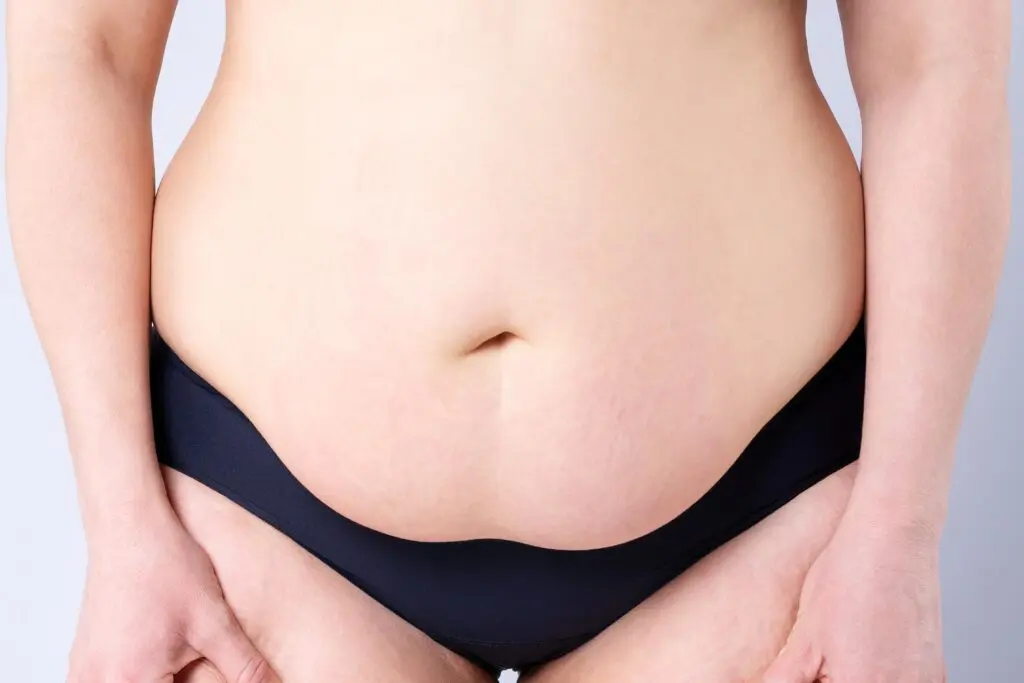
This distinction matters because there is no single treatment that is appropriate for everyone. For someone with a small amount of localized fat and good skin elasticity, liposuction may be considered. Someone with significant loose skin may require a different approach, such as a tummy tuck or panniculectomy. A detailed examination is therefore important before deciding on any procedure.
What Causes Lower Abdominal Fullness?
FUPA can develop for many different reasons. It is not necessarily an indication that someone is overweight or has an unhealthy lifestyle. Common contributing factors include:
- Genetics and natural body shape
- Weight gain
- Significant weight loss
- Pregnancy
- Age related changes in skin elasticity
- Changes in abdominal tissues
- Previous abdominal surgery
- Localized fat deposits that remain despite weight management
Pregnancy and major changes in body weight can be particularly important because they may affect both the skin and underlying abdominal tissues. After significant weight loss, for example, the body may be healthier and leaner while still having excess skin around the lower abdomen. In these situations, simply losing more weight may not solve the concern because the remaining tissue is primarily loose skin rather than excess fat.
Why FUPA Be Difficult to Treat?
Many people notice that the lower abdomen does not change as quickly as other areas of the body during weight loss. Diet and exercise can reduce overall body fat, but they cannot selectively remove fat from one particular area. Genetics also influence where the body tends to store and lose fat. This is why someone may maintain a healthy lifestyle while still noticing fullness around the lower abdomen.
It is also important to distinguish fat from loose skin. If the main issue is excess skin, additional weight loss may not produce the desired improvement. In such cases, body contouring procedures may be discussed with a qualified plastic surgeon. The goal is not simply to remove as much tissue as possible. A good treatment plan should consider the amount of fat, the quality of the skin, the underlying abdominal tissues and the patient’s overall proportions.
What Are the Treatment Options For FUPA?
The appropriate approach depends on what is actually causing the lower abdominal fullness.
Liposuction
Liposuction may be considered when the primary concern is localized fat and the skin has sufficient elasticity to contract after fat removal. During liposuction, a surgeon removes targeted fat deposits through small incisions. The procedure is designed to contour specific areas rather than serve as a substitute for weight loss.
For selected patients, abdominal liposuction can improve the transition between the abdomen, waist and surrounding areas. However, liposuction does not remove significant amounts of loose skin. If excess skin is the dominant concern, another procedure may be more appropriate.
Tummy Tuck
A tummy tuck, medically known as abdominoplasty surgery, is designed to address excess abdominal skin and can also address weakened or separated abdominal muscles when appropriate. The procedure typically involves removing excess skin and reshaping the abdominal area. Depending on the technique and individual anatomy, the belly button may also need to be repositioned.
A tummy tuck can be particularly relevant for people who have experienced pregnancy or significant weight changes and are left with loose abdominal skin. Unlike liposuction alone, a tummy tuck is not simply a fat removal procedure. It is a more comprehensive approach to abdominal contouring.
Panniculectomy
A panniculectomy focuses primarily on removing hanging excess skin and fatty tissue from the lower abdomen. It is different from a tummy tuck because it generally does not involve tightening the abdominal muscles. It can be considered when a substantial fold of excess tissue hangs over the lower abdomen or pubic region.
This type of excess tissue can sometimes cause practical problems, including difficulty keeping the area dry, skin irritation, rashes or recurrent infections.
Combination Procedures
In some patients, more than one technique may be appropriate. For example, a surgeon may consider combining liposuction with a tummy tuck when both localized fat and excess skin are present. The exact combination depends on the patient’s anatomy, goals, skin quality and overall health. A consultation is necessary to determine whether combining procedures is appropriate and safe.
FUPA After Weight Loss
Significant weight loss can create an interesting situation. A person may achieve a major improvement in overall health and body weight but still have excess tissue around the lower abdomen. This happens because skin that has been significantly stretched may not completely contract after weight loss. In these circumstances, body contouring can sometimes help remove excess tissue and create a smoother abdominal profile.
A panniculectomy may be considered when the main issue is an overhanging fold of skin and fat. A tummy tuck may be more appropriate when there is also loose abdominal skin and muscle laxity that needs to be addressed. It is generally preferable to reach a stable weight before elective body contouring. Significant future weight changes can affect the long term appearance of the result.
Is FUPA Treatment the Same for Everyone?
No. Two people may describe their concern using exactly the same word while having completely different anatomical issues. One person may have mostly localized fat. Another may have loose skin following weight loss. Someone else may have both excess skin and fat along with abdominal muscle separation following pregnancy.
There may also be cases where the fullness is influenced by the natural shape of the pelvis and pubic region rather than excess abdominal tissue alone. This is why online comparisons and before and after photographs should not be used to decide which procedure is appropriate. A plastic surgeon needs to examine the area and understand the individual’s goals before recommending a treatment.
What Happens During a Consultation?
A consultation is an important part of planning lower abdominal contouring. The surgeon will generally assess:
- The amount and location of excess fat
- Skin elasticity
- The quantity of loose skin
- Abdominal muscle condition
- Previous abdominal surgeries
- Previous pregnancy or major weight changes
- General medical history
- Current medications
- Smoking status
- Expectations and desired outcome
The surgeon may also discuss different treatment options and explain what each procedure can realistically accomplish. The American Society of Plastic Surgeons recommends discussing medical conditions, medications, previous surgeries, goals, expected outcomes and potential complications during a panniculectomy consultation.
This conversation is particularly important because removing fat when the real issue is loose skin may not provide the expected result.
What Is Recovery Like?
Recovery depends on the procedure performed. Liposuction generally has a different recovery process from a tummy tuck or panniculectomy. More extensive procedures involving skin removal usually require a longer period of healing.
After abdominal contouring surgery, swelling and bruising can be expected. Compression garments may be recommended in certain cases, and activity restrictions will depend on the procedure and the surgeon’s instructions.
After panniculectomy, healing continues over several weeks as swelling gradually decreases. Patients are generally given specific instructions regarding wound care, medications, follow up appointments, physical activity and the use of compression garments. The recovery timeline should therefore be discussed individually rather than relying on a fixed number of days found online.
What Are the Risks?
Like any surgical procedure, abdominal contouring carries potential risks. Depending on the procedure, these may include:
- Bleeding
- Infection
- Fluid accumulation
- Poor wound healing
- Changes in skin sensation
- Scarring
- Asymmetry
- Prolonged swelling
- Skin or tissue loss
- Blood clots
- Anesthesia related complications
- The possibility of revision surgery
The exact risks vary according to the procedure, the patient’s health, surgical history and other individual factors. A qualified plastic surgeon should explain the potential complications before surgery and provide specific instructions for reducing avoidable risks.
Can Exercise Get Rid of Lower Abdominal Fullness?
Exercise is an important part of maintaining overall health and body composition, but it cannot selectively remove fat from one particular area. Strength training can improve abdominal muscle development, while regular physical activity and appropriate nutrition can support healthy weight management.
However, exercise cannot remove significant loose skin. If the concern is primarily excess skin after pregnancy or major weight loss, surgical body contouring may be discussed after an appropriate assessment. The goal should be to understand whether the concern is related mainly to fat, skin, muscle laxity or a combination of these factors.
How Do You Choose the Right Procedure?
Choosing a treatment should begin with identifying the underlying problem rather than choosing a procedure based only on its popularity. If localized fat is the primary issue and the skin has good elasticity, liposuction may be considered.
If there is significant loose skin and abdominal laxity, a tummy tuck may be more appropriate. If a substantial overhanging fold of skin and fatty tissue is present, particularly after major weight loss, panniculectomy may be considered.
These are general examples rather than personal recommendations. The correct option can only be determined after an individual assessment. When considering surgery, patients should also ask about the surgeon’s training, experience with the procedure, surgical facility, expected recovery, potential complications and realistic results.
FUPA Treatment in Dubai
People looking for FUPA treatment in Dubai may come across several different procedures marketed as solutions for lower abdominal fullness. It is important to look beyond the name of the treatment and understand what the procedure is actually designed to address. A consultation with an experienced plastic surgeon can help determine whether the concern is primarily excess fat, loose skin, abdominal laxity or a combination of factors.
For patients considering abdominal contouring, the focus should be on appropriate patient selection, surgical planning, safety and realistic expectations rather than simply choosing the most aggressive treatment. Dr. Mohan Rangaswamy takes an individualized approach to plastic surgery, with the goal of understanding each patient’s concerns and discussing suitable options based on their anatomy and desired outcome.
Can Results Be Maintained?
The longevity of abdominal contouring results is influenced by factors such as future weight changes, pregnancy, aging and lifestyle. Procedures that remove excess fat or skin can produce long lasting changes, but they do not stop the body from naturally changing over time.
Significant weight fluctuations can affect abdominal contouring results. For this reason, maintaining a relatively stable weight is an important part of preserving the improvement achieved through surgery. Patients should also understand that surgery is not a replacement for healthy eating, regular physical activity or appropriate weight management.
Frequently Asked Questions
Is FUPA a medical condition?
No. FUPA is a commonly used informal term describing fullness, fat or excess tissue around the lower abdomen and pubic region. A medical assessment is needed to determine the actual cause.
Can liposuction remove lower abdominal fat?
Liposuction can remove localized fat deposits in appropriately selected patients. However, it does not remove significant loose skin and is not intended to replace healthy weight management.
Is a tummy tuck better than liposuction for lower abdominal fullness?
Neither procedure is universally better. They address different concerns. Liposuction primarily targets localized fat, while a tummy tuck can address excess skin and abdominal muscle laxity. The appropriate procedure depends on individual anatomy.
Can weight loss cause excess lower abdominal skin?
Yes. Significant weight loss can leave excess or hanging skin around the abdomen. Body contouring procedures such as panniculectomy or abdominoplasty may be considered for suitable patients.
Does a panniculectomy tighten abdominal muscles?
Generally, no. A panniculectomy is primarily intended to remove excess hanging skin and fatty tissue. Muscle tightening is more typically associated with abdominoplasty.
How long does recovery take?
Recovery varies depending on the procedure and the individual. Healing after abdominal surgery continues for several weeks, and swelling may take additional time to settle. Your surgeon will provide personalized instructions regarding activity, wound care and follow up.
Can the problem return after surgery?
Future weight gain, weight loss, pregnancy and normal aging can change the abdominal area again. Maintaining a stable weight can help preserve the results of body contouring.
Take the Next Step with an Expert Consultation
Lower abdominal fullness can have different causes, and the right treatment depends on what is actually creating the concern. Whether the issue involves localized fat, loose skin after weight loss, changes following pregnancy or a combination of factors, an experienced plastic surgeon can assess the area and explain the available options.
Being the best plastic surgeon in Dubai, Dr. Mohan Rangaswamy can evaluate your concerns, discuss suitable abdominal contouring approaches and help you understand what can realistically be achieved based on your individual anatomy. A personalized consultation is the best place to begin when you want a clearer understanding of your options and the next steps toward a more balanced abdominal contour.