
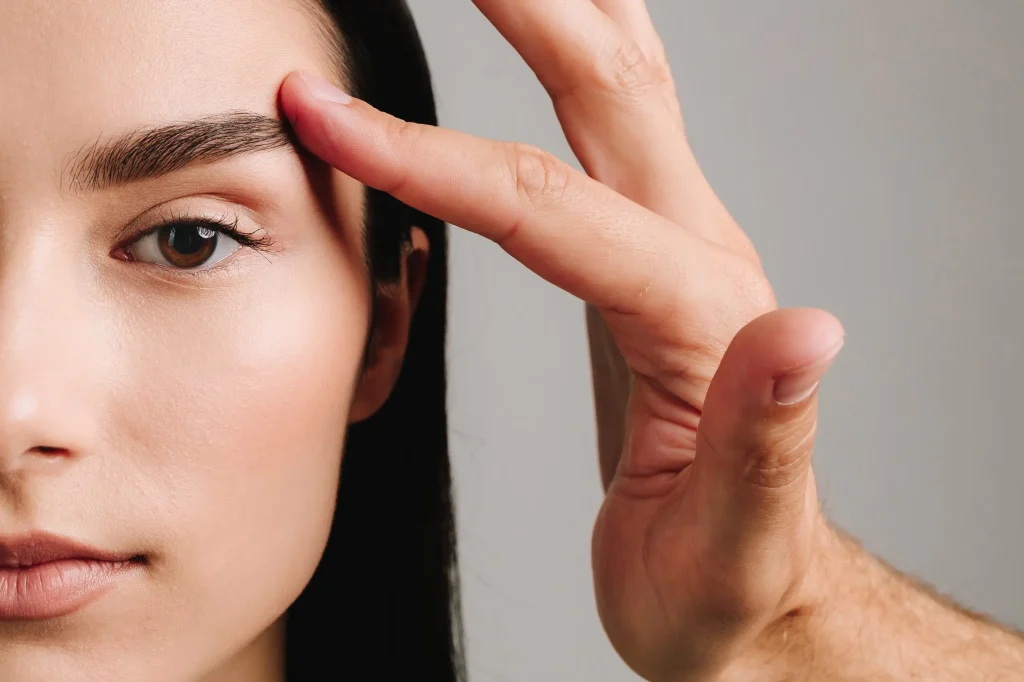
The eyebrows play an important role in facial expression. Their position can influence whether someone looks refreshed, tired, concerned or older than they feel. As the skin and underlying tissues change with age, the eyebrows may gradually descend, while forehead wrinkles and frown lines can become more noticeable.
Brow lift surgery, also known as a forehead lift, is a cosmetic procedure designed to raise the eyebrows and improve the appearance of the forehead. By repositioning selected tissues, a surgeon can address drooping brows, certain forehead creases and the heavy appearance that may develop around the upper eyelids.
The objective is not simply to raise the eyebrows as much as possible. Instead, the procedure aims to create a balanced appearance that suits the patient’s facial structure and natural expressions. According to the ASPS, a brow lift can improve horizontal forehead wrinkles, frown lines between the eyebrows and sagging brows that contribute to upper eyelid hooding.
The appropriate technique depends on the patient’s anatomy, skin condition, hairline, degree of brow descent and desired outcome. A consultation with a qualified plastic surgeon is essential to determine whether surgery is appropriate.
Why Do Eyebrows Begin to Droop?
Changes around the forehead and eyebrows usually develop gradually. Several factors can contribute to the appearance of a lower brow or heavier upper face.
Natural aging: As the skin loses elasticity and the supporting tissues change, the eyebrows may descend over time.
Gravity: The continuous effect of gravity contributes to changes in the position of facial tissues.
Sun exposure: Ultraviolet radiation can contribute to skin damage, reduced elasticity and the development of wrinkles.
Genetics: Some people naturally have lower eyebrows or develop forehead creases earlier than others.
Repeated facial expressions: Frowning and other repeated movements can contribute to expression lines between the eyebrows and across the forehead.
Changes in surrounding tissues: The relationship between the forehead, eyebrows and eyelids can change with age, making the upper face appear heavier.
Not every person with these concerns needs surgery. Some may benefit from nonsurgical treatments, while others may have excess eyelid skin that requires a different approach. Understanding the underlying cause is the first step toward selecting the right treatment.
Who May Benefit From a Brow Lift?
People considering facial rejuvenation often focus on wrinkles or loose skin, but brow position can be equally important when assessing the upper face. A surgical lift may be worth discussing if you have:
- Eyebrows that sit lower than you would like
- A tired or concerned appearance caused partly by brow descent
- Deep horizontal forehead lines
- Prominent frown lines between the eyebrows
- Heaviness around the upper eyelids associated with a low brow
- A desire to improve the balance between the forehead and eyes
Good candidates are generally in suitable overall health, understand the potential risks and have realistic expectations about what surgery can achieve. Smoking and certain medical conditions can affect healing and may increase surgical risks. A brow lift does not stop the natural aging process, and it cannot correct every concern involving the eyes or forehead. The surgeon should assess the entire upper face before recommending treatment.
What Are the Different Types of Brow Lift?
Several surgical techniques can be used to reposition the eyebrows. The best option depends on the patient’s anatomy and the type of correction required.
Endoscopic Brow Lift
An endoscopic approach uses a small camera and specialized instruments introduced through short incisions, usually placed within the scalp. The surgeon uses the camera to visualize the underlying tissues and carefully adjust their position. Because the incisions are smaller than those used in some traditional techniques, scarring can often be concealed within the hair bearing scalp.
This approach may suit selected patients who need brow elevation and have anatomy appropriate for the technique. However, it is not automatically the best option for everyone. The amount of correction required, forehead height, hairline and tissue characteristics all influence the decision.
Coronal or Traditional Brow Lift
A traditional brow lift involves a longer incision across the scalp, often positioned behind the hairline. Through this incision, the surgeon can adjust the forehead tissues and elevate the eyebrows.
This approach may be considered in selected cases where a broader correction is needed. However, incision length, scar placement, hairline characteristics and potential changes in scalp sensation must be considered carefully. The traditional technique is not routinely necessary for every patient, and alternative approaches may be more suitable depending on individual needs.
Hairline Brow Lift
A hairline brow lift uses an incision near the hairline to reposition the eyebrows. In appropriately selected patients, this approach can also help address a high forehead. The suitability of this technique depends on forehead proportions, hairline position, skin characteristics and the amount of elevation required. Patients should discuss the potential scar location and its visibility with their surgeon before deciding on this option.
Direct Brow Lift
A direct approach involves removing a small amount of skin immediately above the eyebrows to raise them. Because the incision is close to the eyebrow, scar visibility is an important consideration. This technique may be useful for selected patients, but it is not appropriate for everyone seeking cosmetic forehead rejuvenation.
The choice of technique should be based on the patient’s anatomy and treatment goals rather than the assumption that one method is universally superior.
What Are the Benefits of Brow Lift Surgery?
When performed on an appropriate candidate, eyebrow elevation can improve several aspects of the upper face.
A More Refreshed Appearance
A low brow can make the face appear tired or concerned, even when the person feels energetic and relaxed. Repositioning the eyebrows may create a more open and refreshed appearance while preserving natural facial expression.
Improvement in Forehead Wrinkles
Some forehead wrinkles are influenced by skin changes and the position of the underlying tissues. A brow lift can improve selected horizontal creases and other lines associated with the forehead. However, it does not eliminate every wrinkle. Fine lines caused by sun damage or changes in skin texture may require separate treatment.
Softer Frown Lines
Vertical lines between the eyebrows can create an appearance of anger or concentration. Depending on the underlying anatomy and surgical technique, a forehead lift may improve the appearance of these creases. The degree of improvement varies between patients.
Better Balance Around the Eyes
Drooping eyebrows can contribute to heaviness above the eyes. Elevating the brow may improve the relationship between the forehead and upper eyelids. However, a brow lift does not remove excess eyelid skin by itself. Some patients may need an eyelid procedure instead, or a combination of procedures.
Long Lasting Improvement
Surgical brow elevation can provide lasting improvement in eyebrow position. Nevertheless, the face continues to age, and the skin and supporting tissues may change over time. Patients should expect improvement rather than permanent protection against future wrinkles or tissue descent.
Brow Lift Surgery vs Upper Eyelid Surgery
One of the most important distinctions in upper facial rejuvenation is the difference between a brow lift and upper blepharoplasty. Although both procedures can improve heaviness around the eyes, they address different anatomical concerns.
Brow lift: Primarily repositions the eyebrows and adjusts selected tissues in the forehead region.
Upper eyelid surgery: Removes or adjusts excess eyelid skin and, when appropriate, underlying tissue.
If the eyebrows have descended, removing eyelid skin alone may not address the main cause of the heavy appearance. Conversely, if the brow position is appropriate but excess skin hangs over the eyelid, upper blepharoplasty may be more suitable.
Some patients have both concerns and may benefit from a combination of procedures. The decision requires careful examination because excessive elevation or unnecessary tissue removal can create an unnatural appearance. A surgeon should assess brow position, eyelid skin, facial movement and the patient’s overall features before recommending treatment.
What Happens During the Procedure?
The process begins with a consultation and preoperative assessment. The surgeon evaluates the forehead, eyebrow position, hairline, skin condition and surrounding facial structures. Medical history, current medications, previous procedures and individual expectations are also reviewed. The surgeon explains the proposed technique, incision placement, expected outcome and potential complications. On the day of surgery, the procedure is performed using an appropriate form of anesthesia. The choice depends on the technique, extent of correction and individual circumstances.
The surgeon makes the planned incisions, adjusts the relevant tissues and secures them in the intended position. The incisions are then closed, and dressings may be applied according to the surgical approach. The procedure and recovery can differ considerably between patients. Your surgeon should explain the specific steps involved in your treatment plan rather than relying on a general description alone.
What Is Recovery Like After a Brow Lift?
Recovery is an important part of the surgical process. Swelling, bruising, tenderness, tightness and temporary changes in sensation may occur during the early healing period. Many patients can return to work and ordinary activities within approximately 10 to 14 days, although the timeline varies according to the surgical technique and individual healing. Residual swelling and changes around the incision sites can continue for several weeks or months.
During recovery, your surgeon may recommend:
- Keeping your head elevated while resting
- Following instructions for wound care and dressings
- Taking prescribed medications as directed
- Avoiding strenuous activity until cleared
- Attending follow up appointments
- Protecting healing incisions from irritation
Do not apply ice, heat or skincare products to the surgical area unless your surgeon has specifically advised you to do so. It is also important not to judge the final result immediately after surgery. Swelling can temporarily affect eyebrow position and facial appearance while the tissues settle.
What Are the Risks?
Like other surgical procedures, a forehead lift carries potential risks. These may include bleeding, infection, scarring, asymmetry, changes in skin sensation, hair loss around incisions, poor wound healing and reactions to anesthesia. Some patients may experience persistent discomfort, altered eyebrow movement or an unfavorable hairline change. Eye irritation and dryness can also occur in certain circumstances. More serious complications, although uncommon, are possible.
The risks depend on the surgical technique, the patient’s health, anatomy and other individual factors. Before proceeding, discuss the potential complications with your surgeon, including how they would be managed if they occurred. Choosing an appropriately qualified surgeon and following postoperative instructions are important parts of responsible surgical care.
How Long Do the Results Last?
The results of a surgical brow lift can last for many years, but they are not immune to aging. Over time, the skin may lose further elasticity, and the eyebrows may gradually descend again. Sun exposure, genetics and other factors can influence how the face changes.
Protecting the skin from ultraviolet radiation, avoiding smoking and following a suitable skincare routine can support overall skin health, although these measures cannot stop the natural aging process. The aim of surgery is to improve brow position and facial balance in a way that remains appropriate as the face continues to age.
Can Brow Lift Surgery Be Combined With Other Procedures?
Some patients have several concerns involving the upper face and may benefit from a combined treatment plan. Depending on their anatomy and goals, a surgeon may discuss combining a brow lift with:
- Upper eyelid surgery
- Lower eyelid surgery
- A facelift
- Selected skin resurfacing treatments
Combining procedures may address different aspects of facial aging in a coordinated way. However, more treatment is not necessarily better, and combining operations may increase surgical complexity. The decision should be individualized after assessing the patient’s health, desired changes, recovery requirements and the risks of the proposed combination.
How to Choose the Right Plastic Surgeon
Choosing a surgeon is one of the most important decisions when considering facial rejuvenation. Look for a qualified plastic surgeon with appropriate training and experience in facial procedures. Ask about the technique they recommend, why it suits your anatomy, where the incisions will be placed and what kind of outcome is realistic.
You should also discuss recovery, potential complications, follow up care and the possibility that additional treatment may be required in the future. Before and after photographs of relevant cases may help you understand a surgeon’s approach, but remember that results vary according to individual anatomy.
Being the best plastic surgeon in Dubai, Dr. Mohan Rangaswamy has the broader principle of individualized plastic surgery planning, which is particularly relevant: the aim should be to select an appropriate procedure for the patient’s actual concern, rather than recommending the same technique to everyone. A thorough consultation should leave you with a clear understanding of your options, limitations and expected recovery.
Frequently Asked Questions About Brow Lift Surgery
Is brow lift surgery worth considering?
It may be worth considering if drooping eyebrows, forehead wrinkles or frown lines are concerns that affect your appearance. Whether the procedure is suitable depends on your anatomy, health and expectations.
Does a brow lift change the shape of the eyes?
A brow lift changes the position of the eyebrows and forehead tissues. It does not directly reshape the eyes, although changing the brow position can alter the appearance of the upper eyelid area.
Is a brow lift the same as a forehead lift?
Yes. The terms are commonly used interchangeably to describe surgery that elevates the eyebrows and improves selected concerns involving the forehead.
How long does recovery take?
Initial healing commonly takes around 10 to 14 days, but swelling and other tissue changes may take several additional weeks or months to settle completely. Your individual timeline depends on the procedure performed.
Will the surgery leave scars?
Yes. Surgical incisions create scars, but their location depends on the technique used. They may be placed within the scalp, near the hairline or above the eyebrows. Your surgeon should explain the likely scar location and visibility before surgery.
Can men undergo brow lift surgery?
Yes. Men may consider the procedure to address drooping eyebrows or forehead aging. Surgical planning should account for differences in brow shape, hairline and facial structure.
Can nonsurgical treatments replace a brow lift?
Some injectable treatments may provide temporary improvement in brow position or frown lines for selected patients. They do not provide the same tissue repositioning as surgery, and the results are temporary. The appropriate option depends on the concern being treated.
Can a brow lift be combined with eyelid surgery?
Yes, selected patients may benefit from both procedures when brow descent and excess eyelid skin are present. An assessment helps determine whether one procedure or a combination is more appropriate.
Take the Next Step with an Expert Consultation
A refreshed upper face is not simply about lifting the eyebrows. It requires understanding how the forehead, brow position and eyelids work together to shape facial expression. Dr. Mohan Rangaswamy takes an individualized approach to plastic surgery, considering each patient’s facial anatomy, concerns and desired outcome when discussing appropriate treatment options.
If you are considering brow lift surgery, an expert consultation can help clarify whether the procedure is suitable for you, which technique may be appropriate and what results you can realistically expect. The first step is a professional assessment that prioritizes facial balance, patient safety and a treatment plan tailored to your needs.