

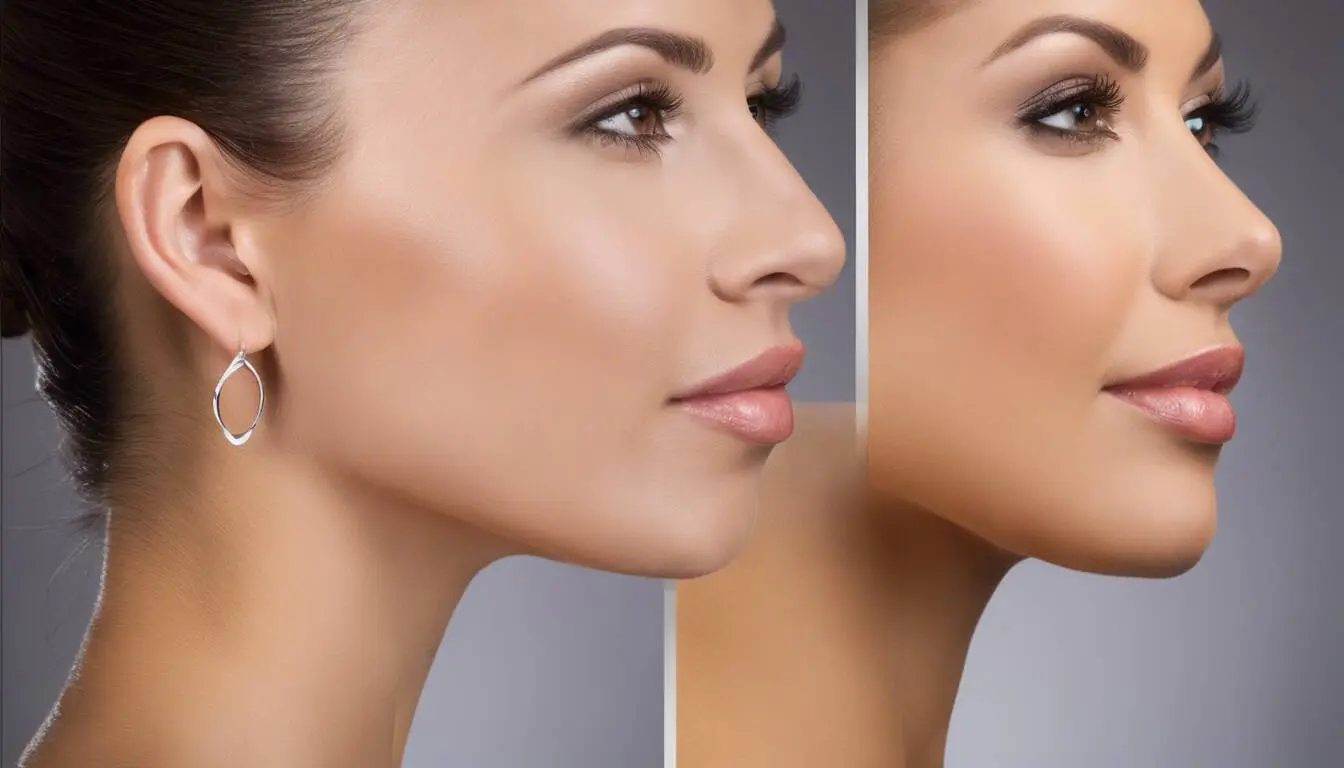
Facial harmony plays a significant role in overall appearance, and the chin is a critical yet often overlooked feature in defining facial balance and profile aesthetics. A weak or recessed chin can change how other features are perceived, particularly the nose and jawline, often affecting confidence and overall facial proportion. Chin augmentation aims to restore this balance through subtle, carefully planned enhancement rather than dramatic alteration.
From a clinical perspective, chin augmentation is never treated as an isolated procedure. Dr. Mohan Rangaswamy evaluates the chin in relation to the nose, jawline, and surrounding soft tissues to ensure proportionate, natural-looking results. While chin augmentation is performed within a regulated medical environment, the true determinant of a successful outcome lies in precise technique selection, anatomical understanding, and individualized surgical planning rather than location alone.
Understanding Chin Augmentation and Its Purpose
Chin augmentation, also known as mentoplasty, is a cosmetic surgical procedure designed to enhance the size, shape, or projection of the chin. Its primary purpose is to improve facial symmetry and balance, particularly in relation to the nose and jawline. Rather than focusing on the chin in isolation, experienced surgeons assess overall facial proportions to ensure the outcome appears natural and harmonious.
Some individuals are born with a naturally small or recessed chin, while others notice changes over time due to aging or skeletal structure. These concerns may be addressed through different approaches, including chin implants, bone reshaping techniques, or non-surgical options such as dermal fillers for temporary enhancement. In practices offering chin augmentation, careful technique selection and individualized planning remain essential to achieving stable, well-balanced results.
Chin Augmentation as Part of Facial Balance Planning
Chin augmentation has evolved from a standalone cosmetic procedure into an essential component of comprehensive facial balance planning. Rather than focusing on size alone, modern chin enhancement takes into account projection, width, soft tissue support, and the relationship between the chin, nose, and jawline.
In Dr. Mohan Rangaswamy’s practice, chin augmentation is often planned alongside other facial procedures such as rhinoplasty or facial fat grafting to achieve harmonious proportions. This individualized approach helps prevent overcorrection and prioritizes results that appear natural from every angle. When chin augmentation is approached with careful analysis and precise technique selection, the emphasis remains on balance and long-term facial harmony rather than following generic aesthetic trends.

Who Is an Ideal Candidate for Chin Augmentation
Chin augmentation is best suited for individuals who feel their chin lacks definition or balance in relation to the rest of the face. It is commonly considered for patients with a weak or recessed chin, inadequate jawline support, or facial asymmetry. Some seek improvement in their side profile, while others aim for better structural definition when viewed from the front.
Ideal candidates are generally in good overall health, have stable facial anatomy, and maintain realistic expectations about enhancement rather than perfection. Determining suitability requires careful facial assessment, as not every patient benefits from the same technique. Through a detailed consultation, the surgeon evaluates whether surgical augmentation, fat grafting, or a non-surgical approach is most appropriate—ensuring that chin augmentation is performed only when it genuinely contributes to facial balance and long-term results.
Different Techniques Used in Chin Augmentation
There is no single approach to chin augmentation, as the technique depends on the patient’s anatomy, goals, and the surgeon’s assessment. Understanding the available options helps set realistic expectations and supports balanced decision-making.
Surgical chin augmentation may involve the placement of a biocompatible implant to improve chin projection and shape. The implant is selected based on facial proportions and can be placed through a discreet incision, either inside the mouth or under the chin, to limit visible scarring.
Another surgical option involves reshaping or repositioning the chin bone. This technique is typically considered when greater structural correction is required and is chosen based on anatomical need rather than routine preference.
Non-surgical mentoplasty in Dubai uses injectable fillers to enhance chin volume and contour. While this approach involves minimal downtime, the results are temporary and require ongoing maintenance.
The choice of technique is guided by facial structure, patient expectations, and long-term suitability, rather than relying on a single method for all cases.
Chin Augmentation Using Fat Grafting: A Natural and Preferred Approach
In recent years, fat grafting has become one of the most commonly preferred methods for chin augmentation, particularly among patients seeking natural-looking enhancement without the use of implants. Fat grafting involves carefully harvesting a patient’s own fat from areas such as the abdomen or thighs, processing it, and precisely injecting it into the chin to improve projection, contour, and balance. Because the material comes from the patient’s own body, the results tend to look and feel natural while also eliminating concerns related to foreign implants.
Fat grafting for chin augmentation is especially effective when combined with facial sculpting procedures, full-face fat grafting, or rhinoplasty. By enhancing the chin while refining other facial areas, surgeons can achieve better overall facial harmony rather than treating the chin as an isolated feature. Many patients today prefer this approach because it allows subtle yet meaningful enhancement while also improving facial softness and contours.
While fat grafting is increasingly popular, it is important to note that chin implants and skeletal (bone) modification techniques remain powerful and effective options. Implants can be precisely selected for shape and projection and, in many cases, can be placed through an incision inside the mouth to avoid any visible external scars. Bone reshaping may be recommended in cases requiring more structural correction. The choice of technique ultimately depends on facial anatomy, aesthetic goals, and the surgeon’s expert assessment.
The Consultation Process and Personalized Planning
A successful mentoplasty begins with a thorough consultation. During this stage, the surgeon evaluates facial structure, chin projection, jawline alignment, and skin quality. Patients are encouraged to discuss their concerns openly and share what they hope to achieve.
In Dubai, consultations are typically detailed and patient-focused. Surgeons may use facial analysis tools or imaging techniques to explain how chin augmentation will affect overall facial balance. This ensures that the final outcome aligns with the patient’s expectations while maintaining a natural appearance.
A personalized treatment plan is essential, as mentoplasty in Dubai is not about exaggeration but refinement.
What Happens During the Chin Augmentation Procedure
Surgical chin augmentation is usually performed under local anesthesia with sedation or general anesthesia, depending on the complexity of the procedure. The surgery itself typically takes one to two hours.
The surgeon makes a small incision, places or reshapes the implant or bone, and carefully closes the incision to minimize scarring. Precision is key, as even small adjustments can significantly impact facial harmony.
Patients undergoing mentoplasty in Dubai benefit from advanced surgical environments, experienced medical teams, and meticulous attention to detail throughout the procedure.
Recovery and Healing After Chin Augmentation
Recovery is an important consideration for anyone planning cosmetic surgery. After chin augmentation, mild swelling, tightness, or discomfort is normal and usually subsides within a few days.
Most patients can return to work and daily activities within one week, although strenuous exercise should be avoided for a few weeks. Swelling gradually reduces, and final results become more visible over several weeks as the tissues settle.
Dubai’s clinics emphasize post-operative care, ensuring patients receive clear instructions and follow-up support. Proper aftercare plays a vital role in achieving optimal results from chin augmentation.
Safety Standards and Medical Excellence in Dubai
Patient safety is a major reason why people choose Dubai for cosmetic procedures. Chin augmentation in Dubai is performed in licensed facilities that adhere to strict hygiene and safety protocols.
Surgeons follow internationally accepted best practices, and patients undergo pre-operative assessments to reduce risks. When performed by a qualified professional, chin augmentation is considered a safe and effective procedure with long-lasting results.
Choosing the right surgeon significantly reduces complications and ensures a smooth recovery process.
The Aesthetic and Emotional Benefits of Chin Augmentation
Beyond physical enhancement, chin augmentation can have a positive emotional impact. Many patients report feeling more confident, self-assured, and comfortable in social and professional settings after the procedure.
A well-defined chin enhances facial balance, strengthens the jawline, and improves profile aesthetics. For many individuals, chin augmentation represents a subtle yet meaningful transformation that aligns their appearance with how they feel inside.
Combining Chin Augmentation with Other Procedures
Chin augmentation is often performed alongside other facial procedures for comprehensive facial harmony. It is commonly combined with rhinoplasty, jawline contouring, or facial fillers to create balanced proportions.
In Dubai, surgeons frequently recommend combination treatments when appropriate, as this approach can enhance overall results while minimizing downtime. A customized plan ensures that all features complement one another naturally.
Choosing the Right Surgeon for Chin Augmentation in Dubai
Selecting the right surgeon is the most critical step in achieving successful results. Chin augmentation requires a strong understanding of facial anatomy, aesthetics, and proportion.
Patients should look for board-certified plastic surgeons with experience in facial procedures, transparent communication, and a portfolio of natural-looking results. A skilled surgeon prioritizes balance, safety, and individualized care.
Chin augmentation delivers the best outcomes when performed by professionals like Dr. Mohan who value precision and patient satisfaction.
Why Expertise and Safety Matter in Chin Augmentation Outcomes
Chin augmentation may appear to be a straightforward procedure, but achieving balanced, natural-looking results requires a detailed understanding of facial proportions, soft tissue behavior, and surgical precision. The choice between fat grafting, implants, or skeletal modification must be based on careful facial analysis rather than a one-size-fits-all approach. Dr. Mohan Rangaswamy emphasizes patient safety, accurate technique selection, and long-term predictability in every chin augmentation procedure. By using meticulous surgical planning, evidence-based methods, and refined techniques—often combining chin enhancement with facial sculpting or rhinoplasty when appropriate—he aims to minimize complications while achieving harmonious, stable results that integrate seamlessly with the rest of the face.
Final Thoughts on Chin Augmentation in Dubai
Chin augmentation is a powerful yet understated procedure that can dramatically improve facial harmony and confidence. Dubai offers an ideal environment for this treatment, combining medical expertise, advanced technology, and personalized care.
Whether performed surgically or non-surgically, chin augmentation in Dubai focuses on subtle enhancement rather than drastic change. With proper planning, realistic expectations, and expert guidance, patients can achieve refined, natural-looking results that enhance their facial profile for years to come.