

A buttock implant is a solid silicone implant specifically designed for augmentation of the buttocks. Unlike breast implants, which are designed for a different part of the body, gluteal implants are manufactured to withstand the pressure and movement associated with sitting, walking and other everyday activities.
Buttock implant surgery is also known as gluteal augmentation or gluteoplasty. During the procedure, the surgeon creates a pocket in an appropriate layer of the buttock and places the implant in the planned position.
The purpose is to increase buttock volume and projection while maintaining a natural relationship between the buttocks, waist, hips and thighs. The choice of implant and surgical technique varies between patients. There is no single implant size or shape that is appropriate for everyone.
Why Do People Consider Buttock Augmentation?
There are several reasons why someone may consider buttock augmentation. Some people naturally have a flatter or less projected buttock shape. Others may notice a loss of volume following significant weight loss. Age related changes can also affect the distribution of soft tissue and alter the overall contour of the buttocks.
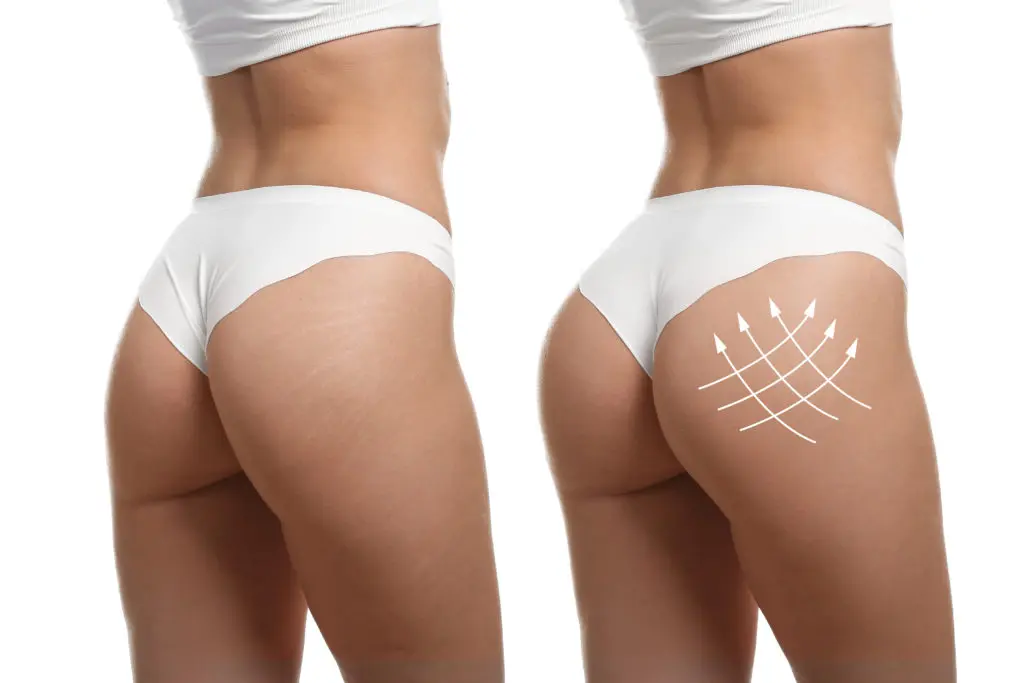
Exercise can strengthen the gluteal muscles and improve their definition, but muscle development has natural limits. Similarly, gaining weight is not a reliable way to increase buttock volume because fat may accumulate in different areas of the body.
A buttock implant provides another approach for people who want a more noticeable and predictable increase in buttock projection. The goal should not simply be to make the buttocks larger. Good augmentation considers the entire body and aims to create a proportionate shape.
Buttock Implants Are Not the Same as Fat Transfer
There are two commonly discussed surgical approaches to increasing buttock volume: implants and fat transfer. Fat transfer involves removing fat from another part of the body through liposuction. The collected fat is processed and then transferred into selected areas of the buttocks. Implant augmentation uses a silicone implant to provide additional volume. The two procedures have different advantages and limitations.
Fat transfer can be attractive for someone who has enough suitable excess fat in areas such as the abdomen, waist, back or thighs. It also allows body contouring in the donor areas. A buttock implant may be considered when there is not enough donor fat available or when a patient is seeking a more substantial and predictable increase in projection. The best option depends on individual anatomy, body composition, health, expectations and the surgeon’s assessment.
Who May Be Suitable for a Buttock Implant?
Not everyone who wants a fuller buttock shape will necessarily be a suitable candidate for implants. A consultation is important because the surgeon needs to evaluate several factors before recommending treatment.
These may include:
• Overall health and medical history
• Body weight and stability of weight
• Existing buttock shape and volume
• Muscle structure
• Skin quality and elasticity
• Amount of soft tissue available to cover the implant
• Desired degree of projection
• Expectations regarding the final appearance
A person should also understand that buttock augmentation is a surgical procedure requiring a recovery period and temporary lifestyle restrictions. Realistic expectations are particularly important. The aim should be improvement rather than trying to reproduce another person’s body shape.
How Is Buttock Implant Surgery Performed?
The procedure is carefully planned before surgery. The surgeon assesses the buttocks and surrounding areas and determines the appropriate implant characteristics and position. The surgery is performed under anesthesia. An incision is generally made in the crease between the buttocks. Through this access point, the surgeon creates a pocket in the appropriate tissue plane for the implant.
The implant is then inserted and positioned according to the surgical plan. The location of the implant is an important consideration because it influences both the appearance and the relationship between the implant and the surrounding tissues. Once the implant is appropriately positioned, the incision is closed carefully. The exact technique can vary depending on the patient’s anatomy, implant characteristics and surgeon’s approach.
Why Implant Position Matters
The position of a buttock implant is one of the factors that can influence the final result. The surgeon needs to consider the thickness of the soft tissue, the gluteal muscle and the natural shape of the buttocks when planning the implant pocket.
If an implant is not appropriately positioned, it can potentially affect symmetry, contour or comfort. For this reason, buttock augmentation requires detailed anatomical planning rather than simply selecting a particular implant size. An experienced plastic surgeon evaluates the relationship between the buttocks and the rest of the body before deciding on the most appropriate approach.
Choosing the Right Implant Size
Larger does not necessarily mean better when it comes to buttock augmentation. The appropriate implant size depends on the patient’s anatomy, the amount of soft tissue available, the desired projection and the proportions of the rest of the body.
An implant that is too large for a person’s anatomy may create an unnatural appearance and may increase certain surgical challenges. During consultation, the surgeon should discuss the available implant options and explain what can realistically be achieved. The objective is to create a result that complements the patient’s natural proportions rather than overwhelming them.
What Results Can a Buttock Implant Provide?
A buttock implant can increase the volume and projection of the buttocks and may create a more defined transition between the waist, hips and buttocks. The final result depends on factors such as implant size and shape, placement, existing tissue, skin quality and individual healing.
It is important to remember that the appearance immediately after surgery is not the final result. Swelling can temporarily make the buttocks appear larger or alter their symmetry. As healing progresses, swelling gradually decreases and the tissues settle. The final contour can therefore take time to appreciate.
Buttock Implant Recovery
Recovery is an important part of buttock augmentation. During the early recovery period, swelling, bruising and discomfort are common. The surgical area can feel tight or tender, and ordinary activities such as sitting may require modification.
Your surgeon may recommend limiting direct pressure on the buttocks during the initial healing period. Specific instructions regarding sitting, sleeping positions and physical activity should be followed carefully.
Walking may be encouraged soon after surgery depending on the surgeon’s instructions, but strenuous exercise and activities that place significant pressure or strain on the treated area are generally restricted initially.
The exact recovery timeline varies from patient to patient. It is important not to compare your recovery with someone else’s experience because healing depends on individual factors and the specific surgical technique used.
When Can You Exercise After Buttock Implant Surgery?
Patients who regularly exercise may be particularly interested in returning to their normal routine. However, returning to exercise too quickly can interfere with healing. Light movement may be encouraged during recovery, while activities that place significant pressure or strain on the buttocks usually need to be avoided for a period recommended by the surgeon.
The timing of returning to activities such as running, cycling, weight training and intensive lower body exercises should be discussed with the surgeon. Even when you feel comfortable, internal tissues may still be healing.
What About Sitting After Surgery?
Sitting can be one of the more challenging aspects of early recovery because the buttocks naturally experience pressure when seated. Your surgeon may recommend limiting direct pressure on the treated area and modifying your sitting position during the initial healing period. The exact recommendations depend on the surgical technique and individual circumstances.
Following these instructions is important because excessive pressure during early healing may affect the surgical site or implant position. Planning ahead can make recovery easier. Patients may need to arrange their work environment, travel plans and daily activities around their temporary restrictions.
What Are the Risks of Buttock Implants?
Like any surgical procedure, buttock augmentation carries potential risks. Possible complications can include infection, bleeding, fluid collection, wound healing problems, changes in sensation, asymmetry, implant displacement and discomfort. There can also be risks associated with anesthesia and surgery in general.
Implant related complications may occasionally require additional treatment or revision surgery. Discussing these risks before surgery is an important part of informed consent. A qualified plastic surgeon can explain the specific risks based on your medical history, anatomy and planned procedure.
Can Buttock Implants Move?
Implant displacement is one of the potential complications of buttock augmentation. Careful creation of the implant pocket and appropriate positioning are important factors in reducing this risk. Postoperative instructions regarding sitting, exercise and pressure on the buttocks are also important during healing.
If a patient notices a significant change in the position, shape or symmetry of the buttocks after surgery, they should contact their surgeon for assessment.
Can Buttock Implants Look Natural?
A natural looking result is possible when the implant is appropriately selected and positioned according to the patient’s anatomy. Several factors contribute to the final appearance, including the implant dimensions, soft tissue coverage, existing buttock shape and surrounding body proportions.
The goal should not simply be maximum volume. A successful result should complement the patient’s overall body shape. This is why personalised surgical planning is so important.
How Long Do Buttock Implants Last?
Buttock implants are designed to be durable and suitable for long term use. However, they should not automatically be considered lifetime devices. Changes in the body, trauma, implant complications or other circumstances may eventually require additional treatment.
This does not mean that every patient will need implant replacement after a specific number of years. Rather, patients should understand that implants require long term consideration and that further surgery can sometimes become necessary. Regular follow up and communication with the treating surgeon can help address concerns if they arise.
Buttock Implants After Weight Loss
Significant weight loss can dramatically change body proportions. Some people lose considerable volume from the buttocks along with other areas of the body. Others may be left with loose skin that affects the contour.
A buttock implant can sometimes be considered as part of a broader body contouring plan. However, the presence of loose skin can influence the suitability of implants and the type of treatment required. Patients who have recently lost a substantial amount of weight are generally advised to reach a stable weight before undergoing elective body contouring surgery.
Can Buttock Implants Be Combined With Other Procedures?
In selected patients, buttock augmentation may be considered alongside other body contouring procedures. For example, liposuction of the waist or surrounding areas can sometimes improve the contrast between the waist and buttocks.
However, combining procedures increases the overall scope of surgery and may affect recovery. Any combination should therefore be carefully assessed rather than chosen simply to achieve a more dramatic transformation. The patient’s health, surgical goals and safety should remain the priority.
Buttock Implant vs Buttock Lift
These procedures address different concerns. A buttock implant primarily adds volume and projection. A buttock lift is generally designed to address sagging or excess skin and improve the position and contour of the buttocks. Some patients may have a combination of insufficient volume and excess skin. In such situations, a surgeon may discuss more than one approach. The correct procedure depends on the underlying anatomical concern.
How to Choose an Experienced Plastic Surgeon
The surgeon you choose can have an important influence on the planning and execution of buttock augmentation. Look for a qualified plastic surgeon with appropriate experience in body contouring and gluteal procedures. During consultation, ask about the surgical technique, implant options, expected recovery, potential complications and realistic results.
A good consultation should feel like a discussion rather than a sales presentation. Being the best cosmetic surgeon in Dubai, Dr. Mohan Rangaswamy brings extensive experience in plastic and reconstructive surgery and approaches cosmetic procedures with attention to anatomy, proportion and individual patient goals. For someone considering a buttock implant, a personal consultation can help determine whether implants are appropriate and whether another approach may provide a better outcome.
Frequently Asked Questions
Is a buttock implant better than fat transfer?
Neither option is universally better. Implants and fat transfer work differently and are suitable for different patients. A surgeon can assess your anatomy and explain which approach may be more appropriate.
How painful is buttock implant surgery?
Some discomfort, swelling and bruising are expected after surgery. Pain management and postoperative care can help make the recovery period more comfortable.
How long does buttock implant recovery take?
Recovery varies between patients. Everyday activities can usually be resumed gradually, but restrictions on sitting, exercise and pressure on the buttocks may continue during the early healing period.
Can I sit normally after buttock implant surgery?
Sitting may need to be modified initially to reduce pressure on the treated area. Your surgeon will provide specific instructions based on the surgical technique used.
Do buttock implants feel natural?
The way an implant feels can depend on its characteristics, position and the amount of tissue covering it. Your surgeon can discuss what you can realistically expect based on your anatomy.
Can men have buttock implants?
Yes. Buttock augmentation is not limited to women. Men who want increased buttock volume or projection may also be evaluated for the procedure, provided they are suitable candidates.
Will buttock implants make my buttocks look much larger?
The degree of enlargement depends on the implant selected and the patient’s existing anatomy. The aim should be a controlled improvement in volume and projection rather than an unnecessarily large result.
Take the Next Step with an Expert Consultation
Choosing a buttock implant is a personal decision that deserves careful consideration. The right approach depends on your natural anatomy, available soft tissue, skin quality, body proportions and aesthetic goals. For some people, implants may be appropriate. For others, fat transfer, body contouring or another procedure may be a better option.
A detailed consultation with an experienced plastic surgeon allows these factors to be assessed before any treatment decision is made. Dr. Mohan Rangaswamy can evaluate your individual concerns, discuss the available options and help you understand what can realistically be achieved through buttock augmentation. The most important goal is not simply greater volume. It is a balanced, proportionate result planned around your individual anatomy and supported by appropriate surgical care.