
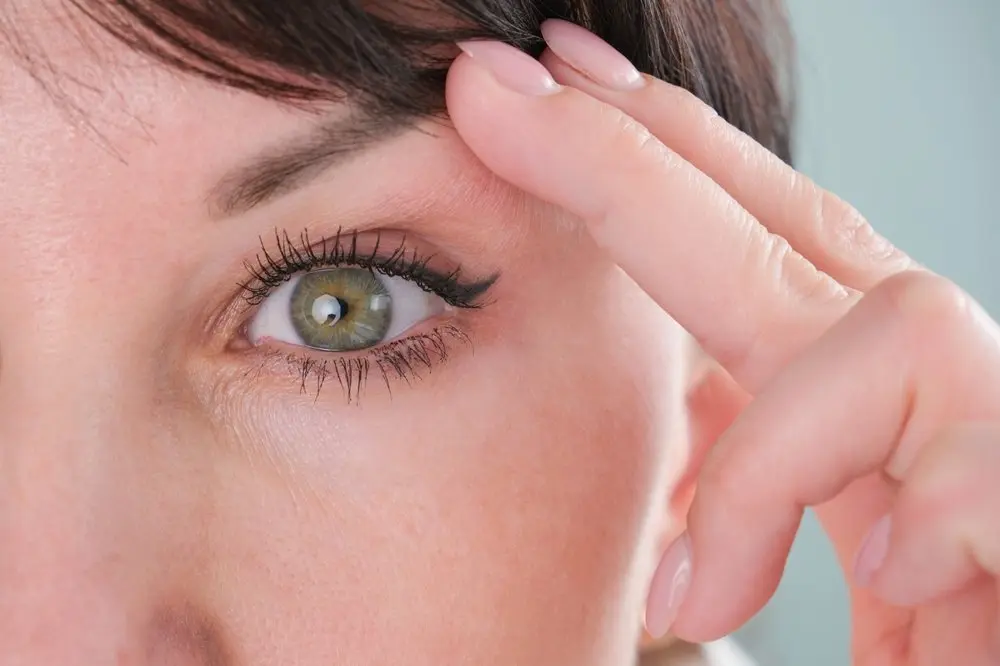
Aging affects every part of the face, but one of the earliest and most noticeable changes often appears around the eyes. The skin becomes thinner, the tissues lose support, and the upper eyelids may gradually begin to sag. For many individuals, drooping eyelids are not only a cosmetic concern but also a functional one that can affect vision, facial expression, and overall confidence.
People commonly associate drooping eyelids with tiredness or aging alone, but the condition can develop for several different reasons. In some cases, it is simply the result of natural tissue changes over time. In others, it may be linked to muscle weakness, genetics, or underlying medical conditions.
Understanding why drooping eyelids occur is important before considering any treatment. A proper evaluation helps determine whether the issue involves excess skin, muscle weakness, brow descent, or a combination of factors. With over 30 years of surgical experience, Dr. Mohan Rangaswamy approaches eyelid concerns with a focus on anatomy, safety, and natural facial balance rather than exaggerated correction.
What Are Drooping Eyelids?
Drooping eyelids refer to a condition where the upper eyelid sits lower than normal, partially covering the eye. Medically, this may be described as ptosis when caused by muscle weakness, although many people use the term more generally to describe sagging upper eyelid skin.
The condition can range from mild heaviness to significant drooping that interferes with vision. Some individuals notice:
- A constantly tired appearance
- Difficulty applying makeup
- Heaviness around the eyes
- Reduced upper field of vision
- Forehead strain from constantly raising the eyebrows
In many cases, drooping eyelids develop gradually, making the changes less noticeable at first.
Why Do Drooping Eyelids Develop With Age?
Aging affects multiple layers around the eyes, not just the skin. Several structural changes contribute to the development of drooping eyelids over time.
Loss of Skin Elasticity
As the body ages, collagen and elastin production gradually decreases. These proteins help maintain skin firmness and flexibility. Around the eyes, where the skin is naturally thin, this loss becomes particularly noticeable.
Over time, excess skin begins to fold over the upper eyelid, creating a heavy or hooded appearance.
Weakening of Supporting Muscles
The muscles responsible for lifting the eyelids can weaken or stretch with age. This reduces their ability to keep the eyelids in their normal position.
In true ptosis, the levator muscle—the primary muscle that lifts the eyelid—loses strength or attachment, causing the eyelid margin itself to descend.
Fat Redistribution Around the Eyes
The area around the eyes contains delicate fat compartments that help maintain youthful contours. With aging, these fat pads may:
- Shift downward
- Bulge forward
- Lose volume in certain areas
This can contribute to puffiness in some regions while creating hollowing in others, further emphasizing drooping eyelids.
Brow Descent
Sometimes the issue is not the eyelid alone. The eyebrows naturally descend with age as forehead tissues lose support.
When the brow lowers, it pushes additional tissue onto the upper eyelid, worsening heaviness and creating the appearance of excess eyelid skin.
Distinguishing between brow descent and true eyelid drooping is essential because treatment approaches differ significantly.
Other Causes of Drooping Eyelids
Although aging is the most common reason, drooping eyelids may also occur due to:
Genetics
Some individuals naturally have heavier eyelids or weaker supporting tissues, causing earlier or more pronounced drooping.
Medical Conditions
Neurological or muscular disorders can affect eyelid function. Conditions involving nerve weakness or muscle dysfunction may contribute to ptosis.
Previous Surgery or Trauma
Injury or prior eye procedures may alter muscle support or tissue structure around the eyelids.
Contact Lens Use
Long-term use of contact lenses, especially rigid lenses, has been associated with stretching of eyelid tissues in some individuals.
Functional vs Cosmetic Concerns
Drooping eyelids are often discussed as an aesthetic issue, but they can also become functional.
Cosmetic Concerns
Many patients seek treatment because drooping eyelids can create:
- A tired appearance
- Facial asymmetry
- A sad or aged expression
Even mild eyelid heaviness can affect overall facial harmony because the eyes play such an important role in expression.
Functional Concerns
In more advanced cases, excess skin or eyelid descent may partially block vision, particularly the upper visual field.
Some individuals unconsciously compensate by constantly lifting their eyebrows, which may lead to:
- Forehead tension
- Headaches
- Eye fatigue
A detailed assessment helps determine the extent of both cosmetic and functional involvement.
How Drooping Eyelids Are Evaluated
Proper diagnosis is essential because several different structures may contribute to the problem.
During consultation, assessment may include:
- Eyelid position
- Brow position
- Skin quality
- Muscle strength
- Fat distribution
- Facial symmetry
Dr. Mohan Rangaswamy evaluates the eyes within the context of the entire face rather than treating the eyelids in isolation. This helps ensure that any correction remains natural and balanced.
Non-Surgical Approaches for Mild Cases
Not all drooping eyelids require surgery. Mild cases may sometimes benefit from conservative measures.
These may include:
- Skin care aimed at improving texture
- Neuromodulator treatments in selected cases
- Temporary lifting procedures
- Lifestyle adjustments for swelling and puffiness
However, non-surgical methods have limitations and generally cannot correct significant excess skin or muscle weakness.
Surgical Treatment for Drooping Eyelids
When tissue laxity or muscle weakness becomes more advanced, surgery may provide the most effective and long-lasting improvement.
Upper Eyelid Surgery (Blepharoplasty)
Blepharoplasty involves removing excess skin and, when appropriate, adjusting fat deposits to restore a smoother upper eyelid contour.
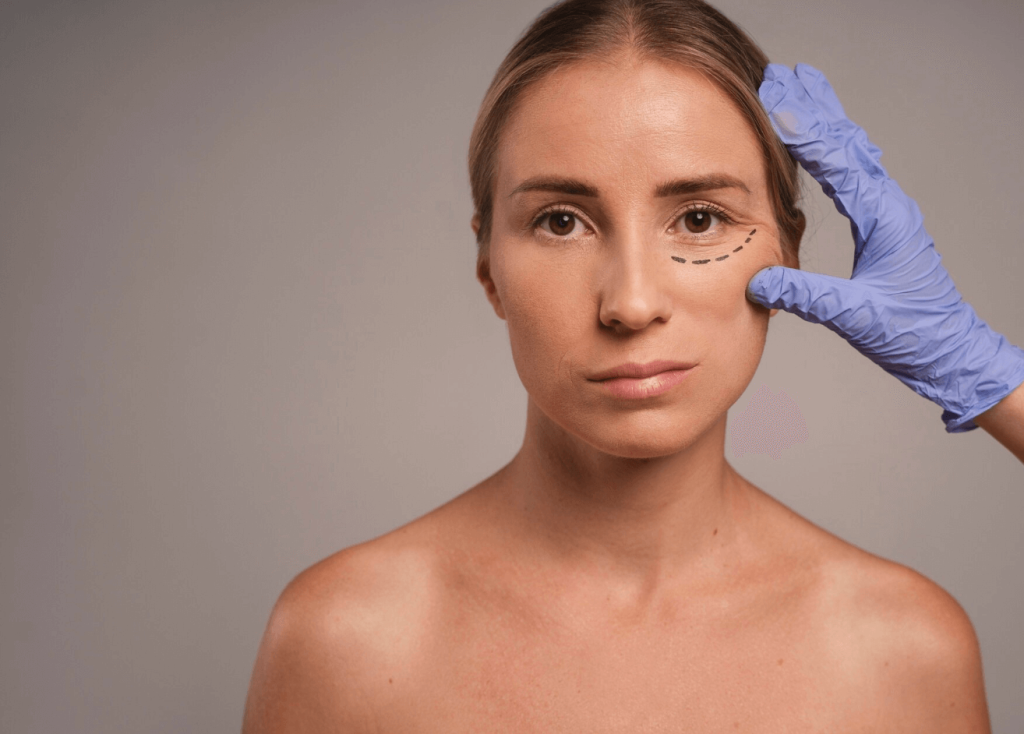
The goal is not to dramatically change appearance, but to reduce heaviness while maintaining natural facial character.
Ptosis Repair
When the eyelid muscle itself is weak, ptosis correction may be necessary.
This procedure focuses on tightening or repositioning the lifting muscle to restore normal eyelid height and function.
Brow Lift Procedures
In patients where brow descent contributes significantly to heaviness, addressing the brow position may provide better overall balance.
Choosing the correct procedure depends entirely on the underlying anatomical cause.
The Importance of Natural Results
The eye area is one of the most delicate regions in facial surgery. Small changes can significantly affect expression and appearance.
Overcorrection can create:
- An unnatural “surprised” look
- Difficulty closing the eyes
- Hollowing or excessive tightness
Dr. Mohan’s approach prioritizes subtle refinement and preservation of natural facial movement rather than aggressive alteration.
Recovery After Eyelid Surgery
Recovery is usually manageable, although temporary swelling and bruising are common.
Patients are typically advised to:
- Rest with the head elevated
- Use cold compresses
- Avoid strenuous activities initially
- Follow proper incision care instructions
Most visible swelling improves within the first few weeks, while final refinement continues gradually as tissues settle.
Long-Term Outcomes and Aging
Eyelid surgery can provide long-lasting improvement, but it does not stop the natural aging process.
Factors that continue to influence the area include:
- Skin quality
- Sun exposure
- Genetics
- Lifestyle habits
A carefully planned procedure tends to age more naturally over time compared to overly aggressive correction.
The Role of Surgical Judgment in Eyelid Procedures
Treating drooping eyelids requires more than simply removing excess skin. The relationship between the eyelids, brows, muscles, and surrounding facial structures must all be considered together.
With more than three decades of experience, Dr. Mohan Rangaswamy approaches eyelid procedures with careful attention to anatomical balance, tissue preservation, and long-term function. His focus remains on achieving results that appear refreshed and natural while avoiding an operated or overcorrected appearance. By tailoring treatment to the individual rather than following standard formulas, he aims to improve both comfort and facial harmony in a safe and measured way.
Conclusion
Drooping eyelids are a common part of aging, but they can also develop due to genetics, muscle weakness, or structural changes around the eyes. While some cases are primarily cosmetic, others may affect comfort and vision.
Understanding the true cause of drooping eyelids is essential before considering treatment. Whether the issue involves excess skin, muscle laxity, or brow descent, proper evaluation plays a key role in achieving safe and natural outcomes.
With extensive experience in facial and eyelid procedures, Dr. Mohan Rangaswamy approaches each case with a focus on precision, balance, and individualized care—ensuring that improvements remain functional, natural-looking, and aligned with the patient’s overall facial anatomy.