

The ears play an important role in the overall balance and proportions of the face. While differences in ear size, shape or position are usually harmless, some people may feel self conscious about prominent or asymmetrical ears.
Ear correction surgery is a group of surgical techniques designed to improve the shape, position or proportion of the ears. The procedure is commonly known as otoplasty and may be performed to address concerns that are present from childhood or changes that occur following injury. For some patients, ear correction is primarily about appearance. For others, correcting an abnormal shape or deformity can improve confidence and make them feel more comfortable with their appearance.
What Is Ear Correction?
Ear correction in Dubai involves reshaping or repositioning the external ear to create a more balanced relationship between the ears and the rest of the face. The procedure can address several concerns, including ears that:
- Project too far from the head
- Appear unusually large or small
- Have an irregular shape
- Are positioned asymmetrically
- Have underdeveloped folds
- Have deformities resulting from injury
- Have certain congenital abnormalities
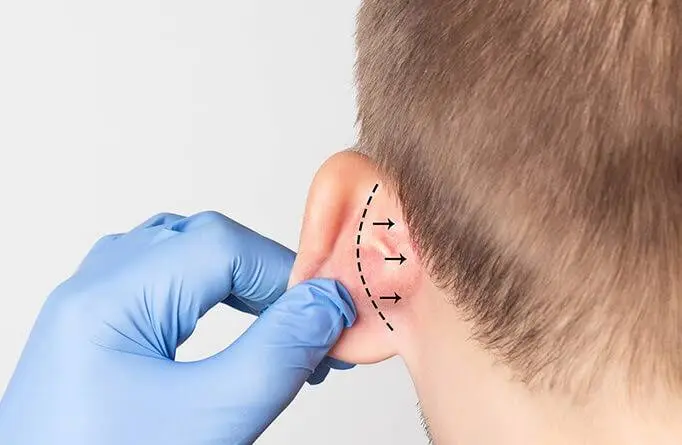
The specific surgical approach depends on the patient’s anatomy and the problem being addressed.
What Is Ear Correction Surgery?
Ear correction surgery, commonly called otoplasty, is a surgical procedure that modifies the cartilage and soft tissues of the external ear. During surgery, the surgeon may reshape, fold, remove or reposition cartilage to achieve the desired structure. In cases of prominent ears, the ear may also be positioned closer to the side of the head.
The goal is not necessarily to create perfectly identical ears. Natural ears often have minor differences between the two sides. Instead, the objective is to achieve a proportionate and natural looking appearance.
Why Do Some Ears Become Prominent?
Prominent ears are often related to the development and shape of the cartilage. In some individuals, the natural folds of the ear are not sufficiently developed. In others, the cartilage may project outward more prominently.
Because ear development occurs early in life, prominent ears can often be noticed during childhood. However, adults may also seek treatment if they have remained concerned about the appearance of their ears. Previous trauma or certain congenital conditions can also alter the shape or position of the ear.
Who May Consider Ear Correction?
Ear correction may be considered by children, teenagers and adults depending on the specific problem and overall health. A suitable candidate may have:
- Prominent ears
- Uneven ear position
- An unusual ear shape
- Congenital ear differences
- Ear deformity following injury
- A desire to improve facial balance
Patients should have realistic expectations about what surgery can achieve. For children, the timing of surgery is considered carefully because the ears should have developed sufficiently before the procedure. A qualified plastic surgeon can determine whether the child is physically and emotionally ready for treatment.
How Is Ear Correction Surgery Performed?
The exact technique varies according to the patient’s anatomy. For prominent ears, an incision is commonly made behind the ear, allowing the surgeon to access and reshape the cartilage. The cartilage may be carefully folded or reshaped to create a more natural ear contour.
In some cases, cartilage may need to be reduced or repositioned. The ear can then be secured in its new position using appropriate sutures. The incision is generally positioned in a natural area behind the ear, helping make any resulting scar less noticeable. Different techniques may be required for congenital abnormalities or deformities caused by trauma.
Is Ear Correction Only for Prominent Ears?
No. Although prominent ears are one of the most common reasons people seek ear correction, surgery can address several other concerns. Depending on the patient’s condition, treatment may be considered for:
Asymmetrical Ears
Minor asymmetry is normal, but significant differences in size, shape or position may be improved surgically.
Misshapen Ears
Certain congenital differences can affect the appearance or development of the external ear. Reconstructive techniques may help improve the shape and proportions.
Traumatic Ear Deformities
Injuries can damage the cartilage or soft tissues of the ear. Reconstructive surgery may sometimes restore a more natural shape.
Underdeveloped Ear Folds
Some ears lack clearly defined natural folds. Cartilage reshaping can help establish more appropriate contours.
What Are the Benefits of Ear Correction?
The potential benefits depend on the patient’s individual concern and surgical goals.
Ear correction may help:
- Reduce excessive ear prominence
- Improve ear symmetry
- Create more defined ear folds
- Improve facial balance
- Correct certain congenital deformities
- Address some traumatic deformities
- Improve confidence related to ear appearance
The purpose of surgery should be discussed carefully with the surgeon before treatment.
What Is Recovery Like After Ear Correction Surgery?
Recovery varies according to the technique used and the individual patient. Swelling, bruising, tenderness and temporary discomfort are common during the early recovery period. A dressing or headband may be recommended to protect the ears and support their new position. Patients should follow their surgeon’s instructions regarding sleeping positions, physical activity and wound care.
Children and adults may need to temporarily avoid activities that could accidentally bend or injure the ears. Although the initial recovery may be relatively short, the tissues can continue settling for several weeks.
Will Ear Correction Leave a Scar?
Because many otoplasty techniques use an incision behind the ear, scars are generally positioned where they are naturally concealed. Scarring varies between individuals and depends on factors such as skin type, healing characteristics and surgical technique. Over time, scars generally become less noticeable, although no surgical scar can be guaranteed to disappear completely.
When Will the Results Become Visible?
Changes in ear position and shape can often be noticed relatively soon after surgery. However, swelling can temporarily affect the appearance. As the tissues heal and swelling decreases, the final shape becomes clearer. It is important not to judge the outcome too early. The ears may continue to settle during the healing process.
Is Ear Correction Surgery Safe?
Like any surgical procedure, ear correction surgery carries potential risks. Possible complications can include infection, bleeding, unfavorable scarring, asymmetry, changes in sensation, recurrence of prominence or the need for revision surgery.
The individual level of risk depends on the patient’s health, anatomy, surgical technique and other factors. A detailed consultation with a qualified plastic surgeon is essential to understand the potential benefits and risks before deciding on treatment.
Why Does Surgical Experience Matter?
The ear contains delicate cartilage that determines much of its shape. Excessive removal or inappropriate reshaping can produce an unnatural appearance. For this reason, careful planning and an understanding of facial proportions are important when performing ear surgery.
Dr. Mohan Rangaswamy brings more than 40 years of experience in plastic and reconstructive surgery. His extensive surgical background includes procedures designed to address both aesthetic concerns and reconstructive needs. His approach focuses on evaluating each patient’s individual anatomy rather than applying exactly the same technique to every case.
Choosing a Surgeon for Ear Correction
When considering ear correction surgery, patients should look for a qualified plastic surgeon with appropriate experience in aesthetic and reconstructive ear procedures. During a consultation, the surgeon should assess the shape, size, position and symmetry of the ears and discuss what can realistically be achieved.
Patients should also feel comfortable asking about the surgical technique, expected recovery, potential risks and postoperative care. A good treatment plan is one that aims for natural proportions rather than an artificially identical appearance.
Frequently Asked Questions
At what age can ear correction be performed?
Ear correction may be considered once the ears have developed sufficiently. The appropriate timing depends on the individual child and should be determined during consultation with a qualified surgeon.
Can adults have ear correction surgery?
Yes. Adults can undergo otoplasty when they are medically suitable and have realistic expectations about the procedure.
Is ear correction surgery painful?
Some discomfort, tenderness and tightness can occur after surgery. Your surgeon can provide appropriate postoperative instructions and medication when necessary.
How long does ear correction take?
The duration depends on the technique and whether one or both ears are being treated. Your surgeon can provide a more accurate estimate during consultation.
Can ear correction fix uneven ears?
It may improve noticeable differences in ear position, shape or size, although perfect symmetry is not always possible or necessary.
Conclusion
Ear correction can improve the shape, position and proportions of ears that are prominent, asymmetrical, misshapen or affected by certain congenital or traumatic conditions. For suitable patients, ear correction surgery can create a more balanced relationship between the ears and the face while maintaining a natural appearance. The technique used should always be tailored to the patient’s individual anatomy and treatment goals.
With more than 40 years of experience in plastic and reconstructive surgery, Dr. Mohan Rangaswamy is considered the best plastic surgeon in Dubai and approaches each patient individually, carefully assessing their concerns and developing an appropriate surgical plan. A consultation with a qualified plastic surgeon is the best way to determine whether ear correction is suitable and understand the potential results, recovery and risks involved.
Take the Next Step with an Expert Consultation
If you are considering ear correction and want to understand whether surgery is appropriate for your concerns, an individual consultation can provide clarity about the available options. Dr. Mohan Rangaswamy can assess your ear structure, discuss your goals and explain an appropriate treatment approach based on your individual needs.