

The earlobes may seem like a small part of the body, but they play an important role in facial balance and overall appearance. Because they are commonly pierced and frequently exposed to jewelry, earlobes are particularly susceptible to stretching, tearing, and changes over time. While some earlobe concerns are cosmetic, others can interfere with wearing earrings comfortably or create noticeable asymmetry.
One of the most common procedures performed in facial plastic and reconstructive surgery is earlobe repair. Patients seek information about this treatment for many reasons, including torn earlobes, stretched piercing holes, elongated earlobes, and damage caused by heavy jewelry.
Understanding why earlobe problems occur, how they are evaluated, and what treatment options may be available can help patients make informed decisions. Since every earlobe is unique, treatment planning should always focus on individual anatomy, tissue quality, and long-term outcomes.
With over 30 years of experience in plastic and reconstructive surgery, Dr. Mohan Rangaswamy approaches facial and soft tissue procedures with a strong emphasis on precision, natural appearance, and careful tissue handling.
What Is Earlobe Repair?
Earlobe repair refers to procedures designed to restore the shape, structure, and appearance of damaged or altered earlobes. The procedure may address:
- Torn earlobes
- Partially split earlobes
- Stretched piercing holes
- Enlarged earring openings
- Earlobe asymmetry
- Elongated earlobes
- Trauma-related earlobe injuries
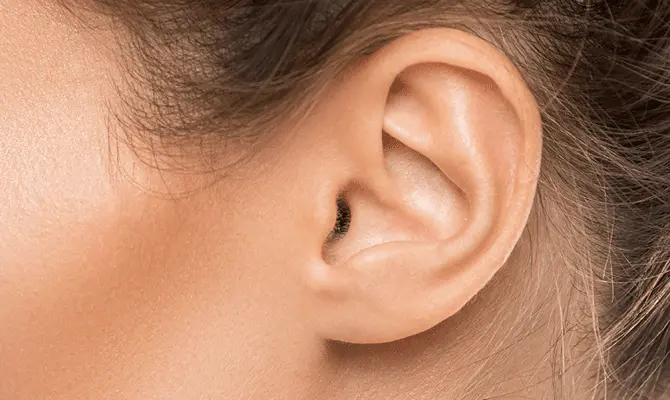
The goal is to recreate a natural-looking earlobe contour while preserving facial harmony and proportion.
Understanding Earlobe Anatomy
To understand why earlobe problems occur, it is helpful to understand the anatomy of the earlobe. Unlike most areas of the ear, the earlobe contains:
- Skin
- Fatty tissue
- Small blood vessels
- Connective tissue
The earlobe does not contain cartilage, making it softer and more flexible than the upper portions of the ear.
This flexibility allows for ear piercing but also makes the earlobe vulnerable to stretching and tearing over time.
Why Do People Need Earlobe Repair?
Several factors can contribute to earlobe damage or changes in appearance.
Heavy Earrings and Long-Term Stretching
One of the most common causes of earlobe damage is prolonged use of heavy earrings. Over time, the constant downward pull can:
- Stretch piercing holes
- Thin surrounding tissue
- Elongate the earlobe
- Increase the risk of tearing
Many individuals notice gradual enlargement of their piercing holes after years of wearing heavy jewelry.
Accidental Trauma
Trauma is another frequent cause of earlobe injury. Common examples include:
- Earrings catching on clothing
- Hairbrush accidents
- Children pulling earrings
- Sports-related injuries
- Sudden pulling forces
In some cases, the piercing hole may partially tear. In more severe situations, the earlobe may split completely.
Gauge Earrings and Earlobe Stretching
Large gauge earrings intentionally stretch the earlobe to accommodate wider jewelry. While some people later decide to maintain this appearance, others eventually wish to restore a more traditional earlobe shape.
Significant stretching can create large openings that do not close naturally, making earlobe repair a common consideration.
Aging and Earlobe Changes
The aging process affects every area of the body, including the ears. As people age:
- Skin loses elasticity
- Collagen production decreases
- Soft tissue support weakens
These changes can contribute to:
- Longer earlobes
- Increased laxity
- More noticeable piercing holes
Aging often combines with decades of jewelry use to produce visible earlobe changes.
Congenital Earlobe Differences
Some individuals are born with naturally asymmetrical or unusually shaped earlobes. Although these variations are generally harmless, they may become more noticeable over time and lead individuals to seek information about corrective options.
Common Types of Earlobe Problems
Not all earlobe concerns are the same.
Partially Torn Earlobes
A partial tear occurs when the piercing hole stretches downward but does not completely split the earlobe. Patients often notice:
- An elongated piercing opening
- Difficulty wearing earrings
- Visible thinning of tissue
Completely Split Earlobes
A complete tear occurs when the piercing extends entirely through the lower edge of the earlobe. This may result from:
- Trauma
- Long-term stretching
- Progressive thinning of tissue
Stretched Piercing Holes
Some patients develop enlarged piercing holes that remain open even without earrings. The opening may appear:
- Circular
- Oval
- Irregularly shaped
Elongated Earlobes
Age-related changes and heavy earrings may contribute to excessive earlobe length. Although not always associated with a tear, elongated earlobes can affect facial balance and symmetry.
Who Is a Good Candidate for Earlobe Repair?
Individuals considering earlobe repair are often:
- In good overall health
- Bothered by a torn or stretched earlobe
- Unable to comfortably wear earrings
- Concerned about symmetry
- Seeking restoration of natural earlobe appearance
A detailed evaluation helps determine the most appropriate approach for each situation.
Why Proper Assessment Matters
Successful earlobe repair begins with understanding the specific problem being addressed. Important factors include:
- Tissue thickness
- Skin quality
- Degree of stretching
- Presence of scarring
- Earlobe shape
- Facial proportion
Every earlobe presents differently, which is why individualized planning remains important.
Can Earlobes Be Re-Pierced After Repair?
One of the most common questions patients ask is whether earrings can be worn again following treatment. In many cases, re-piercing may be possible after complete healing has occurred. The timing depends on:
- Tissue healing
- Scar maturation
- Earlobe stability
- Individual anatomy
Appropriate placement is important to help reduce the risk of future stretching or tearing.
Understanding Scar Formation
Because earlobe repair involves reshaping soft tissue, healing naturally results in a scar. Several factors influence scar quality:
- Skin type
- Surgical technique
- Tissue handling
- Healing response
- Post-procedure care
Careful surgical planning helps support a more refined and natural appearance as healing progresses.
Recovery Following Earlobe Repair
Recovery is generally straightforward. Patients may experience:
- Mild swelling
- Temporary tenderness
- Minor redness
- Sensitivity around the treated area
Most daily activities can typically be resumed quickly, although healing continues beneath the surface for several weeks. As tissues mature, the repaired area gradually becomes softer and less noticeable.
Preventing Future Earlobe Damage
While some causes of earlobe injury cannot be predicted, several measures may help reduce future problems. These include:
- Avoiding excessively heavy earrings
- Removing jewelry during sports activities
- Being cautious with clothing and accessories
- Allowing new piercings to heal properly
- Choosing appropriately sized earrings
These habits may help preserve long-term earlobe integrity.
Dr. Mohan’s Approach to Earlobe Repair
With over three decades of experience in plastic and reconstructive surgery, Dr. Mohan Rangaswamy understands that even small facial features can have a significant impact on overall appearance. His approach to earlobe repair focuses on:
- Precise tissue handling
- Preservation of natural contours
- Symmetry and proportion
- Scar minimization
- Long-term tissue stability
Rather than simply closing a defect, the goal is to restore an earlobe that looks natural and remains harmonious with the surrounding facial features.
This attention to detail is especially important in facial procedures, where even subtle differences can influence overall balance.
The Importance of Choosing an Experienced Surgeon
Although earlobe repair is often considered a minor procedure, achieving a natural-looking result requires a thorough understanding of soft tissue anatomy and healing principles.
Factors such as scar placement, tissue alignment, symmetry, and future piercing considerations all influence the final outcome.
An experienced plastic surgeon can evaluate these factors carefully and create a treatment plan tailored to the patient’s individual needs.
Conclusion
Earlobe repair is a highly effective solution for individuals dealing with torn earlobes, stretched piercing holes, elongated lobes, or trauma-related damage. While these concerns are common, they can affect both appearance and confidence, particularly when wearing earrings or styling the hair.
Understanding the causes of earlobe changes—from heavy jewelry and accidental trauma to aging and tissue laxity—helps patients appreciate why these problems occur and how they can be addressed.
With extensive experience in facial, reconstructive, and aesthetic procedures, Dr. Mohan Rangaswamy approaches earlobe repair with a focus on precision, natural appearance, and long-term tissue health, helping patients restore balance and confidence in even the smallest details of facial aesthetics.