

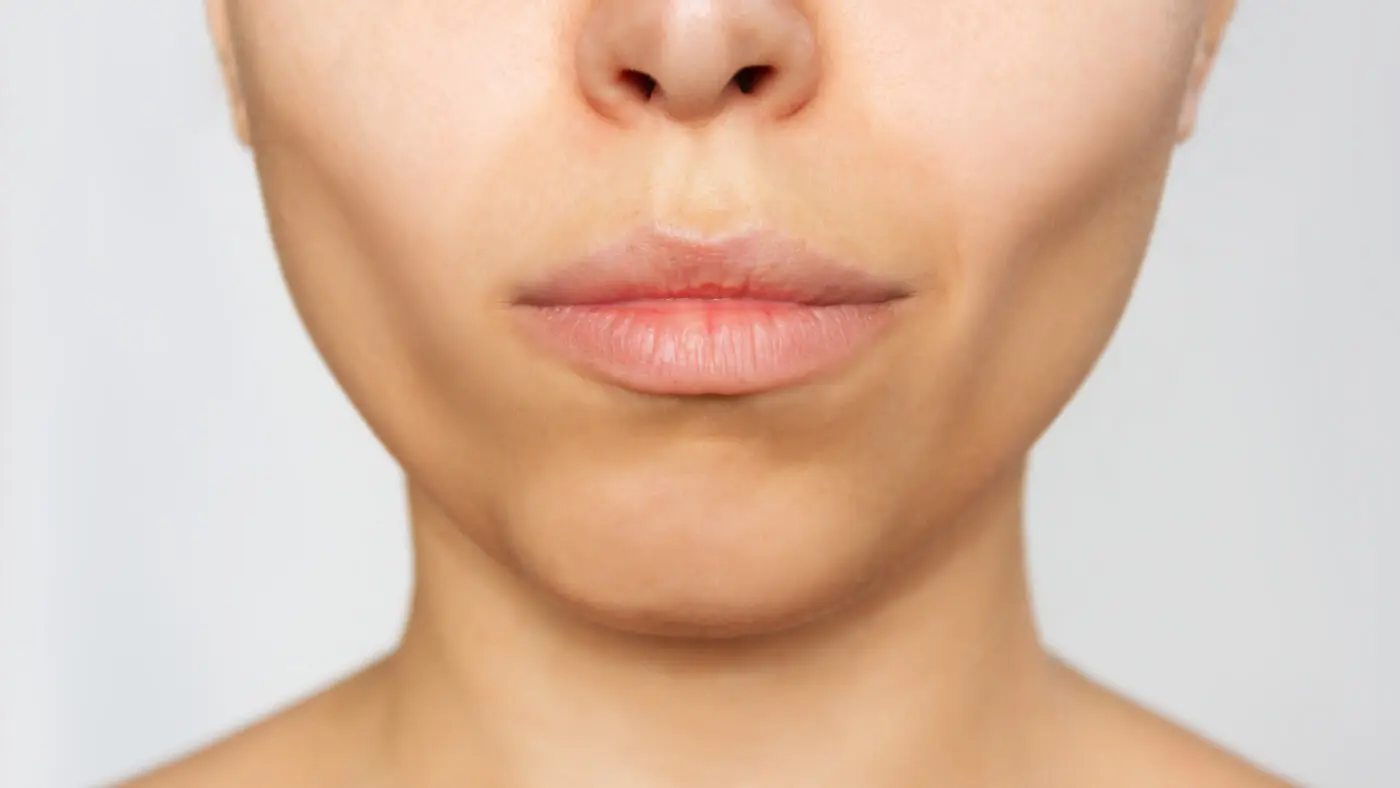
Facial appearance changes gradually with age, but one of the most noticeable transformations often occurs in the mid-face. Many individuals begin to observe that their cheeks appear less full, more sunken, or less defined than before. This condition is commonly described as hollow cheeks.
While hollow cheeks are often associated with aging, they can also develop due to weight loss, genetics, lifestyle factors, or changes in facial fat distribution. For some individuals, the change is subtle and creates more contour in the face. For others, it may contribute to a tired, gaunt, or prematurely aged appearance.
Understanding why hollow cheeks develop is important before considering any treatment. Facial volume loss is rarely caused by a single factor alone. The skin, fat, muscles, and underlying bone structure all contribute to facial shape and support.
With over 30 years of experience in facial and reconstructive procedures, Dr. Mohan Rangaswamy approaches facial volume concerns with careful anatomical assessment and an emphasis on natural facial balance rather than exaggerated correction.
What Are Hollow Cheeks?
Hollow cheeks refer to a reduction in fullness in the mid-face area, particularly beneath the cheekbones. This creates a more sunken or concave appearance between the lower eyelid and jawline.
In some individuals, hollow cheeks create naturally sharp facial contours. However, when volume loss becomes more pronounced, it may lead to:
- A tired appearance
- Increased visibility of facial folds
- More prominent bones or shadows
- Reduced softness in facial features
- An older or thinner appearance
The severity varies greatly depending on facial structure and skin quality.
Why Do Hollow Cheeks Develop?
Several structural changes contribute to the development of hollow cheeks over time.
Age-Related Facial Fat Loss
One of the most important causes of hollow cheeks is the gradual loss and redistribution of facial fat. The face contains multiple fat compartments that provide youthful fullness and support. With aging:
- Fat volume decreases
- Some fat pads shift downward
- Supportive tissues weaken
This process reduces mid-face projection and creates hollowing beneath the cheekbones.
Unlike body fat, facial fat loss often becomes more visible because the overlying skin is thin and highly expressive.
Changes in Skin Elasticity
Collagen and elastin are responsible for maintaining skin firmness and flexibility. As these proteins decline with age, the skin loses structural support.
This contributes to:
- Skin laxity
- Reduced facial firmness
- Increased visibility of facial hollows
Even mild volume loss may appear more pronounced when skin elasticity decreases.
Bone Structure Changes With Aging
Many people are unaware that facial bones also change over time.
With aging:
- Bone density decreases
- The cheekbone area may lose projection
- Structural support beneath the soft tissue diminishes
These skeletal changes contribute significantly to hollow cheeks and overall facial aging.
Significant Weight Loss
Rapid or major weight loss can reduce fat throughout the face, particularly in individuals who naturally store less facial fat.
Although weight loss may improve overall health, facial thinning can sometimes create:
- A gaunt appearance
- More pronounced facial lines
- Increased hollowing beneath the cheeks and eyes
This is especially noticeable in individuals with naturally lean facial anatomy.
Genetics and Natural Facial Structure
Not everyone develops hollow cheeks due to aging alone.
Some individuals naturally have:
- Prominent cheekbones
- Thin facial fat distribution
- Narrow facial structure
In these cases, hollow cheeks may be present from early adulthood and simply become more noticeable with age.
Lifestyle Factors That Influence Facial Volume
Several external factors can accelerate facial volume loss over time.
Smoking
Smoking reduces blood supply to the skin and contributes to collagen breakdown, accelerating facial aging.
Sun Exposure
Excessive ultraviolet exposure damages collagen and elastin, weakening skin support and emphasizing facial hollows.
Poor Nutrition
Inadequate nutrition may affect skin quality and tissue health, particularly during periods of rapid weight change.
Stress and Sleep Deprivation
Chronic stress and poor sleep can influence facial appearance by contributing to skin dullness, dehydration, and tired facial expression.
How Hollow Cheeks Affect Facial Balance
Facial harmony depends on balanced proportions between the cheeks, jawline, eyes, and lower face. When cheek volume decreases, it may affect surrounding structures by:
- Deepening nasolabial folds
- Increasing under-eye shadows
- Making the jawline appear heavier
- Creating imbalance between facial regions
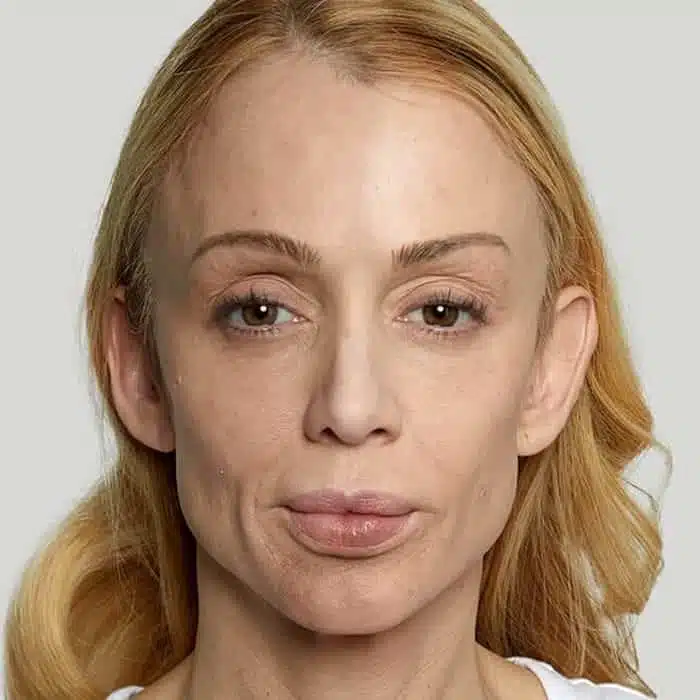
This is why facial aging is rarely isolated to a single area.
The Importance of Proper Facial Assessment
Treating hollow cheeks requires more than simply adding volume. A detailed assessment must determine:
- Where volume loss has occurred
- Whether skin laxity is present
- How facial proportions are affected
- Whether structural support has changed
Dr. Mohan Rangaswamy evaluates the entire face rather than focusing only on the cheeks. This allows treatment planning to remain anatomically balanced and individualized.
Non-Surgical Approaches for Hollow Cheeks
Mild to moderate hollow cheeks may sometimes be improved through non-surgical methods. The appropriate approach depends on skin quality, facial anatomy, and the degree of volume loss.
Dermal Fillers
Dermal fillers may be used to restore soft tissue volume in selected areas of the face. When performed conservatively, fillers can:
- Improve cheek contour
- Reduce hollow appearance
- Support surrounding facial structures
However, excessive filler use may create an unnatural or overly heavy appearance, especially in the mid-face.
Fat Grafting
Fat grafting involves transferring purified fat from another part of the body into areas of facial volume loss. This technique may provide:
- Natural-feeling volume
- Softer contour transitions
- Long-term integration with facial tissue
Because the transferred tissue is the patient’s own fat, results often blend more naturally with facial anatomy.
Skin Quality Treatments
Improving skin texture and elasticity may also help soften the appearance of hollow cheeks. Certain technologies aim to stimulate collagen production and improve tissue support over time.
Surgical Considerations in Facial Volume Loss
In more advanced cases, hollow cheeks may be associated with significant facial descent and tissue laxity. Surgical approaches may sometimes be considered when:
- Mid-face tissues have descended substantially
- Skin laxity is severe
- Volume loss occurs alongside structural aging changes
The goal is always facial balance rather than excessive fullness.
Why Overcorrection Should Be Avoided
One of the most common mistakes in facial rejuvenation is overfilling the cheeks. Excessive correction can create:
- Unnatural facial proportions
- Puffy or heavy appearance
- Distortion of facial movement
Natural facial rejuvenation depends on respecting anatomy and maintaining proportion. Dr. Mohan’s approach prioritizes subtle refinement and tissue harmony rather than dramatic volume changes.
Emotional Impact of Hollow Cheeks
Changes in facial fullness can affect how individuals perceive themselves and how others interpret their expressions. Some people describe looking:
- Constantly tired
- Older than they feel
- Unwell despite good health
Because the face plays such an important role in communication and self-image, even small changes in facial volume may influence confidence.
Facial Volume Loss Is Different for Every Individual
No two faces age in exactly the same way. Factors influencing hollow cheeks include:
- Genetics
- Skin thickness
- Bone structure
- Fat distribution
- Lifestyle habits
- Overall health
This is why individualized assessment is essential before deciding on any treatment approach.
Dr. Mohan’s Approach to Facial Volume and Balance
With more than three decades of experience in facial and reconstructive procedures, Dr. Mohan Rangaswamy approaches hollow cheeks with a detailed understanding of facial anatomy and long-term aging patterns. Rather than focusing solely on adding volume, his assessment considers:
- Mid-face support
- Skin elasticity
- Facial proportions
- Tissue quality
- Natural movement and expression
The emphasis remains on restoring balance and maintaining natural facial character rather than creating exaggerated fullness. By carefully evaluating the entire face, treatment recommendations can be tailored to the individual’s anatomy and long-term goals.
Conclusion
Hollow cheeks are a common facial concern that may develop due to aging, weight loss, genetics, or changes in skin and bone structure. While some degree of facial volume loss is natural over time, more significant hollowing can affect facial balance and overall appearance.
Understanding the underlying causes is essential before considering treatment. Whether the concern is mild or more advanced, careful assessment helps determine the most appropriate and natural-looking approach.
With extensive experience in facial anatomy and reconstructive techniques, Dr. Mohan Rangaswamy focuses on individualized treatment planning that prioritizes balance, safety, and subtle, natural-looking outcomes.