

When discussing breast appearance, conversations often focus on breast size, shape, or position. However, the nipples themselves play an important role in overall breast proportion and symmetry. For some individuals, enlarged, elongated, or overly projected nipples can become a source of discomfort, clothing concerns, or self-consciousness. This is where nipple reduction becomes a topic of interest.
Although nipple size and shape vary naturally from person to person, some individuals feel that their nipples appear disproportionately large compared to their breasts or body frame. Others may notice changes over time due to pregnancy, breastfeeding, aging, weight fluctuations, or genetics.
Understanding the anatomy behind nipple size, the reasons these changes occur, and how correction is approached helps patients make informed decisions. Because nipple appearance is influenced by multiple factors including breast tissue, skin quality, genetics, and hormonal changes, individualized assessment is essential.
With more than 30 years of experience in breast and reconstructive procedures, Dr. Mohan Rangaswamy approaches breast aesthetics through detailed anatomical evaluation, prioritizing proportion, natural balance, and long-term outcomes.
What Is Nipple Reduction?
Nipple reduction refers to procedures designed to reduce the height, width, projection, or overall prominence of the nipple while maintaining natural shape and proportion.
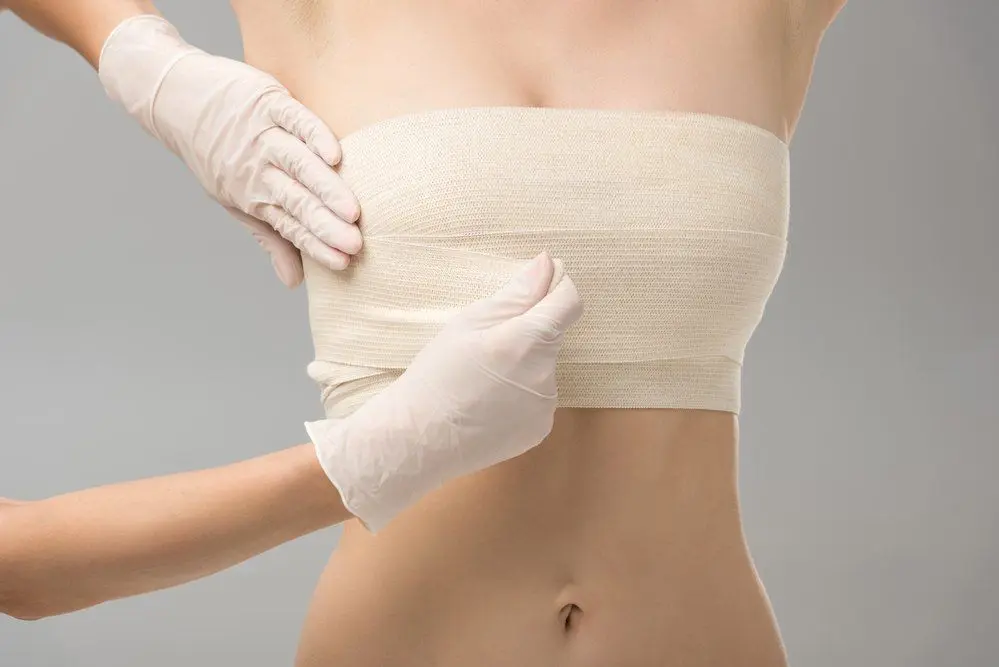
The goal is not uniformity or perfection. Instead, treatment focuses on creating better balance between:
- Nipple size
- Breast size
- Breast shape
- Areola proportion
- Overall body anatomy
The procedure can address concerns related to:
- Excess nipple projection
- Enlarged nipple diameter
- Elongated nipples
- Asymmetrical nipples
- Changes following pregnancy or aging
Nipple reduction may be performed as a standalone procedure or combined with other breast procedures depending on patient anatomy and goals.
Understanding Normal Nipple Anatomy
To understand why nipple size varies, it helps to understand nipple anatomy. The nipple contains:
- Milk ducts
- Blood vessels
- Nerve supply
- Connective tissue
- Smooth muscle fibers
- Skin and soft tissue structures
These structures work together to maintain projection, sensitivity, and function. Because anatomy differs naturally, there is no single “ideal” nipple size.
Why Do Some People Consider Nipple Reduction?
Several factors contribute to changes in nipple shape and size.
Genetics and Natural Anatomy
Genetics strongly influence:
- Nipple diameter
- Projection
- Shape
- Symmetry
Some individuals naturally develop larger or more prominent nipples during puberty. This variation is often completely normal.
Pregnancy and Breastfeeding Changes
Pregnancy causes significant hormonal and structural changes. During pregnancy and breastfeeding:
- Milk ducts enlarge
- Tissue expands
- Skin stretches
- Hormonal shifts occur
Following breastfeeding, nipples may remain larger or more projected than before. These changes are extremely common.
Aging and Tissue Changes
As tissues age:
- Skin elasticity decreases
- Support structures weaken
- Tissue distribution changes
These changes sometimes alter nipple projection or shape.
Weight Fluctuations
Changes in body weight may influence breast volume and surrounding tissue support. Although nipple tissue itself may not dramatically change, surrounding breast shape changes can make nipples appear more prominent.
Friction and Lifestyle Factors
Repeated friction from:
- Tight clothing
- Sports activities
- Certain fabrics
may sometimes contribute to irritation or increased awareness of nipple prominence.
Common Concerns Associated With Enlarged or Prominent Nipples
Patients seeking information about nipple reduction often describe concerns such as:
- Nipples showing through clothing
- Difficulty wearing fitted garments
- Visible projection in swimwear
- Symmetry concerns
- Physical irritation
- Self-consciousness regarding breast appearance
The degree of concern varies widely and is highly individual.
Types of Nipple Concerns
Not all nipple concerns are the same.
Excess Projection
This occurs when nipples protrude significantly outward. Patients may describe this as:
- Constant prominence through clothing
- Increased visibility in fitted garments
- Discomfort from friction
Enlarged Diameter
Some individuals feel the nipple width appears disproportionate relative to the breast.
Elongated Nipples
Lengthening may occur naturally or following pregnancy and breastfeeding.
Asymmetry
One nipple may:
- Sit differently
- Project more
- Be larger
- Have different contours
Mild asymmetry is common, but larger differences may become more noticeable.
Who May Consider Nipple Reduction?
Individuals considering nipple reduction are often:
- In good general health
- Concerned about nipple prominence or proportion
- Experiencing physical discomfort
- Seeking improved symmetry
- Looking for better clothing comfort
- Maintaining realistic expectations
Assessment focuses on anatomy rather than simply appearance alone.
How Is Nipple Reduction Planned?
Careful planning is essential because nipple tissue serves both functional and aesthetic purposes. Important considerations include:
- Nipple projection
- Tissue thickness
- Blood supply
- Sensation
- Future breastfeeding goals
- Overall breast proportion
Dr. Mohan emphasizes individualized planning because nipple anatomy varies substantially from patient to patient.
Can Nipple Reduction Be Combined With Other Procedures?
In some situations, nipple reduction may be combined with procedures involving broader breast reshaping. Examples may include:
- Breast lift procedures
- Breast reduction surgery
- Breast asymmetry correction
- Post-pregnancy breast restoration
Combining procedures may sometimes improve overall proportion and harmony.
Understanding Function and Sensation
The nipple is not simply an aesthetic structure. It plays important roles in:
- Sensation
- Breastfeeding function
- Projection changes with temperature or stimulation
- Overall breast balance
Protecting function remains an important part of planning.
Recovery Following Nipple Reduction
Recovery experiences vary depending on the extent of treatment and whether additional procedures are performed. Common experiences may include:
- Temporary swelling
- Mild tenderness
- Temporary sensitivity changes
- Small dressings or wound care instructions
Most swelling improves gradually as tissues settle.
Scarring and Healing Considerations
One of the most common patient concerns relates to scarring. Scar appearance depends on:
- Skin quality
- Healing response
- Surgical technique
- Tissue tension
With over three decades of surgical experience, Dr. Mohan places strong emphasis on careful tissue handling and scar-minimizing approaches whenever possible.
Why Realistic Expectations Matter
No breast structure is perfectly symmetrical. Successful outcomes are usually measured by:
- Better proportion
- Improved balance
- Natural appearance
- Greater comfort
Expecting perfect symmetry often creates unrealistic goals.
Dr. Mohan’s Approach to Breast Proportion and Nipple Aesthetics
With over 30 years of experience in breast and reconstructive procedures, Dr. Mohan Rangaswamy approaches nipple concerns through detailed anatomical assessment rather than one-size-fits-all solutions. His evaluation focuses on:
- Breast proportion
- Nipple position and projection
- Tissue quality
- Symmetry
- Long-term stability
- Functional preservation
This approach helps maintain natural-looking outcomes while respecting each patient’s anatomy and personal goals.
Conclusion
Nipple reduction is not simply about changing size. It is about understanding anatomy, proportion, function, and individual concerns.
Nipple shape and projection vary widely due to genetics, pregnancy, aging, and hormonal changes. While these differences are often normal, some individuals seek improvement because of physical discomfort, clothing concerns, or aesthetic preferences.
Because nipple anatomy is complex and highly individualized, proper evaluation remains essential. With extensive experience in breast and reconstructive procedures, Dr. Mohan Rangaswamy approaches breast aesthetics with a focus on proportion, safety, and natural balance.