

Many people notice that maintaining the same body shape becomes more difficult with age. Areas that once responded quickly to exercise and dietary changes may become increasingly resistant, particularly around the abdomen. One of the most common concerns patients discuss during body contouring consultations is stubborn belly fat and why it seems to persist despite consistent lifestyle efforts.
The accumulation of abdominal fat is rarely caused by a single factor. Instead, it reflects a combination of hormonal changes, shifting metabolism, muscle loss, genetics, lifestyle habits, and changes in fat distribution that naturally occur over time.
Understanding why belly fat behaves differently with age is important because not all abdominal fullness is the same. Some people experience fat accumulation primarily beneath the skin, while others develop deeper fat deposits around internal organs. Each behaves differently and responds differently to lifestyle changes.
With decades of experience in body contouring and reconstructive procedures, Dr. Mohan Rangaswamy approaches body shape changes through a detailed understanding of anatomy, fat distribution, tissue behavior, and long-term body balance rather than focusing solely on weight numbers.
What Is Stubborn Belly Fat?
Stubborn belly fat refers to abdominal fat deposits that persist despite diet modifications, exercise routines, and weight management efforts. This fat commonly accumulates in areas such as:
- Lower abdomen
- Upper abdomen
- Waistline
- Flanks or love handles
- Around the navel region
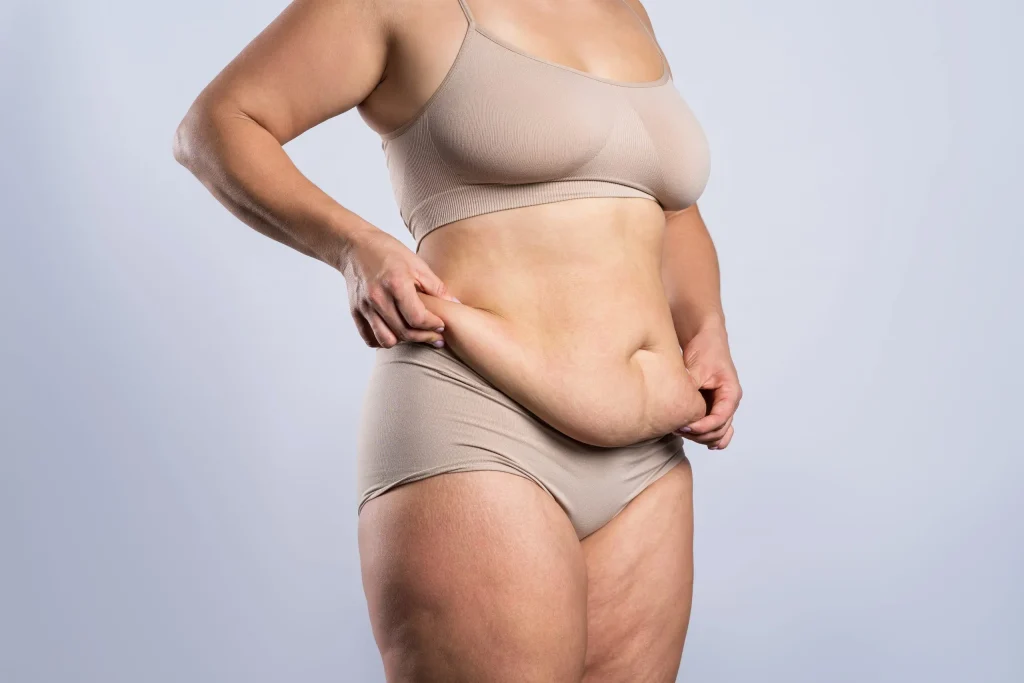
People often notice that while other body areas become slimmer, abdominal fullness remains. The reason lies in how fat cells function and how the body stores energy over time.
Understanding How Abdominal Fat Is Stored
Not all abdominal fat is identical. Generally, abdominal fat exists in two main forms:
Subcutaneous Fat
This is the fat located directly beneath the skin. Characteristics include:
- Soft texture
- Pinchable tissue
- Contributes to body contour changes
- Common target in body contouring procedures
Visceral Fat
Visceral fat sits deeper inside the abdomen around internal organs. This fat:
- Cannot easily be pinched
- Creates abdominal protrusion
- Behaves differently metabolically
- Often increases with age
Understanding the difference helps explain why some forms of stubborn belly fat are harder to address.
Why Stubborn Belly Fat Increases With Age
Several biological changes occur naturally with aging. These changes influence:
- Energy usage
- Fat storage patterns
- Muscle mass
- Hormone levels
Together, these factors create an environment where abdominal fat becomes more resistant.
Slower Metabolism Over Time
Metabolism refers to how efficiently the body converts food into energy. As age increases:
- Resting energy expenditure gradually decreases
- Calorie requirements become lower
- Excess calories are stored more easily
Even small differences accumulated over years can contribute significantly to abdominal fat storage.
Loss of Muscle Mass
Age-related muscle loss, often called sarcopenia, plays a major role. Muscle tissue burns more energy than fat tissue. When muscle mass decreases:
- Daily calorie expenditure falls
- Fat storage becomes easier
- Body composition shifts
This is one reason body weight sometimes remains unchanged while body shape changes significantly.
Hormonal Changes and Their Role
Hormones strongly influence where fat is stored. Changes in hormones can alter fat distribution patterns.
Hormonal Changes in Women
Changes associated with aging may influence:
- Estrogen levels
- Fat distribution patterns
- Waistline expansion
Many women notice abdominal fullness becomes more pronounced during midlife transitions.
Hormonal Changes in Men
Lower testosterone levels may contribute to:
- Increased abdominal fat storage
- Reduced muscle mass
- Changes in body composition
These shifts often make stubborn belly fat more noticeable.
Genetics and Fat Distribution
Genetics strongly influence:
- Where fat accumulates
- Fat cell behavior
- Body shape patterns
Some individuals naturally store more fat around the abdomen while others accumulate it in the hips or thighs. Genetics cannot be changed, but understanding body patterns helps explain why fat distribution varies widely.
Why Stress Contributes to Stubborn Belly Fat
Stress affects more than emotional health. Long-term stress influences hormones that regulate fat storage. Elevated stress levels may contribute to:
- Increased appetite
- Cravings for calorie-dense foods
- Greater abdominal fat storage
Chronic stress can therefore influence body composition over time.
Sleep and Abdominal Weight Gain
Poor sleep patterns affect multiple metabolic pathways. Sleep deprivation may contribute to:
- Increased hunger hormones
- Reduced recovery
- Lower energy expenditure
- Increased abdominal fat accumulation
Quality sleep becomes increasingly important for maintaining body composition with age.
Why Exercise Sometimes Stops Working
Many individuals become frustrated when familiar routines no longer produce results. Several reasons explain this:
- Lower metabolic rate
- Reduced muscle mass
- Adaptive body responses
- Less overall movement throughout the day
A routine that worked in early adulthood may require adjustment later in life.
Why Lower Belly Fat Often Feels the Most Resistant
Lower abdominal fat frequently becomes the most difficult area to change. Several factors contribute:
- Differences in blood flow
- Higher density of certain fat receptors
- Genetic predisposition
- Hormonal influence
This explains why the lower abdomen often remains problematic even after weight reduction.
The Relationship Between Pregnancy and Belly Fat
Pregnancy creates substantial structural changes within the abdomen. These changes may include:
- Muscle separation
- Skin stretching
- Fat redistribution
- Tissue laxity
Following pregnancy, some individuals notice persistent abdominal fullness despite returning to previous weight ranges. This may not always be caused by fat alone.
Body Composition Matters More Than Weight
Weight alone rarely tells the full story. Two people with identical weight may have very different:
- Muscle mass
- Fat percentage
- Fat distribution
- Body contour
Understanding body composition provides a more meaningful perspective when evaluating stubborn belly fat.
Common Misconceptions About Belly Fat
Myth: Abdominal Exercises Remove Belly Fat
Spot reduction is limited. Strengthening abdominal muscles does not necessarily remove fat directly above them.
Myth: Belly Fat Means Poor Lifestyle Choices
Many factors influence abdominal fat accumulation including:
- Genetics
- Hormones
- Aging
- Pregnancy
- Body composition changes
Myth: Weight Loss Always Fixes Abdominal Shape
Sometimes loose skin, muscle separation, or tissue changes contribute more than fat itself.
When Abdominal Fullness Is Not Only Fat
Persistent abdominal shape changes may involve:
- Skin laxity
- Muscle separation
- Scar tissue
- Tissue descent
- Post-pregnancy anatomical changes
A proper anatomical assessment helps identify which tissues are contributing most.
Dr. Mohan’s Approach to Evaluating Body Shape Changes
With over 30 years of experience in body contouring and reconstructive procedures, Dr. Mohan Rangaswamy evaluates abdominal concerns through a comprehensive anatomical approach. His assessment focuses on:
- Fat distribution patterns
- Muscle integrity
- Skin quality
- Body proportion
- Long-term tissue behavior
Rather than viewing abdominal fullness as a single problem, the emphasis remains on understanding how multiple structures interact to influence body contour. This individualized evaluation supports more realistic expectations and more precise treatment planning.
Maintaining Long-Term Body Balance
Long-term body balance involves understanding that body shape naturally evolves over time. Helpful strategies include:
- Preserving muscle mass
- Maintaining stable weight
- Supporting metabolic health
- Prioritizing sleep quality
- Managing stress levels
While aging changes body composition, informed strategies can help maintain healthier tissue balance over time.
Final Words About Stubborn Belly Fat
Stubborn belly fat develops through a combination of aging, hormonal shifts, genetics, muscle loss, and changing fat distribution patterns. Because abdominal fullness often involves more than fat alone, understanding the underlying anatomy becomes essential.
The lower abdomen and waistline frequently become more resistant with age not because individuals are doing something wrong, but because body composition naturally evolves throughout life.
With extensive experience in body contouring and reconstructive procedures, Dr. Mohan Rangaswamy approaches abdominal concerns through detailed anatomical assessment and individualized planning, focusing on structure, proportion, and long-term balance rather than quick solutions.